Our top picks at a glance
If you want to test the waters first
Lay-Z-Spa AirJet seriesCheck pricePrice tier 2 of 4:$150–$500Anyone testing the hot-tub life before committing to an acrylic spa.A better inflatable for cooler weather
MSpa inflatable hot tubsCheck pricePrice tier 3 of 4:$500–$1,500Buyers who want a better inflatable without spending acrylic-tub money.
A hot tub is one of the best — and most regretted — backyard purchases. The ones people love are placed well, sized right and properly installed. The ones they regret were bought on a showroom impulse. This guide covers the things dealers don't always lead with.
What a hot tub really costs
| Cost | What to expect |
|---|---|
| Purchase | Inflatables start in the hundreds; acrylic tubs range from a few thousand dollars to five figures |
| Delivery and setup | Can be hundreds of dollars, more if a crane is needed |
| Electrical | A 240V tub typically needs a dedicated GFCI-protected circuit installed by a licensed electrician |
| Base | A level, reinforced concrete pad or an engineered base that supports the full filled weight |
| Cover lifter, steps, accessories | Ask which required items are included and get a quote for the rest |
| Monthly running costs | Estimate energy, water care and servicing using your tariff and the exact model's requirements |
Prices vary a lot by region and brand — treat these as ballpark figures and get quotes.
For a complete planning worksheet, read hot tub cost over ten years. It explains the running-cost calculator, what its projection includes and which repair or replacement costs you need to add yourself.
1. Plug-and-play or 240V?
120V plug-and-play tubs plug into a standard GFCI outlet — easy and cheaper to install. The trade-off is slower heating and limits on running the heater and jets at the same time.
240V tubs need a dedicated circuit (usually installed by an electrician) but heat faster and run the jets at full power.
2. Where will it go?
- Weight: A filled hot tub can weigh thousands of pounds, so you need a proper base.
- Access: Measure the path for delivery, including gates, tight corners and overhead obstacles.
- Privacy and views: Consider sightlines, wind and where steam goes.
- Distance from the house: Closer is more convenient in winter, but check local code for clearances and electrical rules.
- Rules: Look into permits, setbacks, safety barriers and HOA restrictions.
3. Size and seating
Seating capacity listings are optimistic — a "6-person" tub is comfortable for four. Test the seats in person, and make sure the jets reach where you want them. "Wet-test" a tub in the showroom if you can.
4. Insulation, cover and efficiency
Good insulation and a tight, heavy cover save the most on running costs. Ask about foam insulation type, cover thickness and heater size.
5. Shell, jets and controls
Acrylic shells are the standard. Look for sturdy construction, quiet pumps, and controls you can understand. More jets aren't automatically better: placement and variety matter more.
6. Warranty and service
Ask who services the tub locally, how long parts take, and how the warranty works. A great price means little if you can't get service.
7. Water care
Be honest with yourself about weekly maintenance — testing, sanitizing and cleaning the filter. Ask the dealer about water-care systems (ozone, UV, mineral) and what they cost to maintain.
Dealers vs. big-box vs. online
- Dealers: Best for service, wet tests and advice, usually at higher prices.
- Big-box stores and warehouse clubs: Competitive prices on simpler tubs; ask about delivery and service.
- Online: Convenient but be wary of freight, setup and warranty claims.
Our top picks
If you want to test the waters first
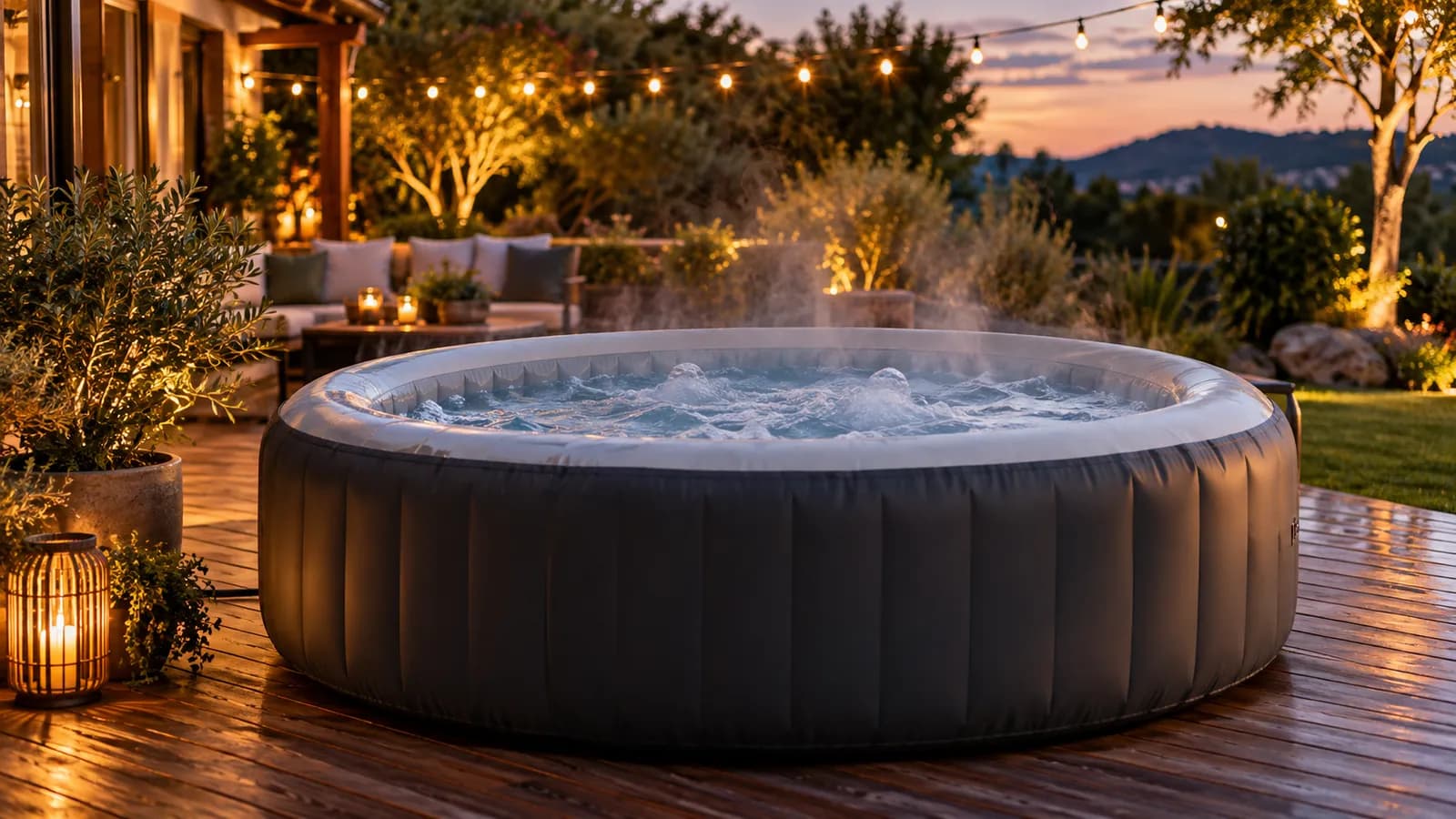
Lay-Z-Spa AirJet series
The best-known inflatable hot tub line, with plenty of sizes.
An inflatable like the Lay-Z-Spa AirJet series is a low-commitment way to learn whether you'll really use a hot tub before you spend thousands on an acrylic one.
What we like
- Wide range of sizes from 2-person to 6-person-plus
- Plug-in models can simplify setup where a suitable electrical supply is available
- Packs down for storage and can be used seasonally
Trade-offs
- Heats slowly, especially in cold weather
- Check pump noise, maintenance needs and replacement-part availability
- Best for
- Anyone testing the hot-tub life before committing to an acrylic spa.
- Skip it if
- You want year-round winter use in a cold climate.
A better inflatable for cooler weather
MSpa inflatable hot tubs
Inflatable hot tubs with a range of insulation and heater options.
MSpa models often have better insulation and bigger heaters than basic inflatables, which helps in cooler weather. Still an inflatable, with an inflatable's lifespan.
What we like
- Often include better insulation and bigger heaters than basic inflatables
- Variety of sizes and styles
- A range of insulation and heater configurations to compare
Trade-offs
- Costs more than the cheapest inflatables
- Check warranty and replacement-part availability before buying
- Best for
- Buyers who want a better inflatable without spending acrylic-tub money.
- Skip it if
- You want the cheapest inflatable, or you can't confirm warranty and replacement-part availability.
Questions to ask before you buy
- What's the total installed price, including delivery, electrical, base and cover lifter?
- What does the monthly running cost look like in my climate?
- Who services this tub locally, and what does the warranty cover?
- What size circuit and what base does it need?
- How long has this brand been around, and what are real owner reviews saying?
- Can I wet-test it?
Not ready for an acrylic tub?
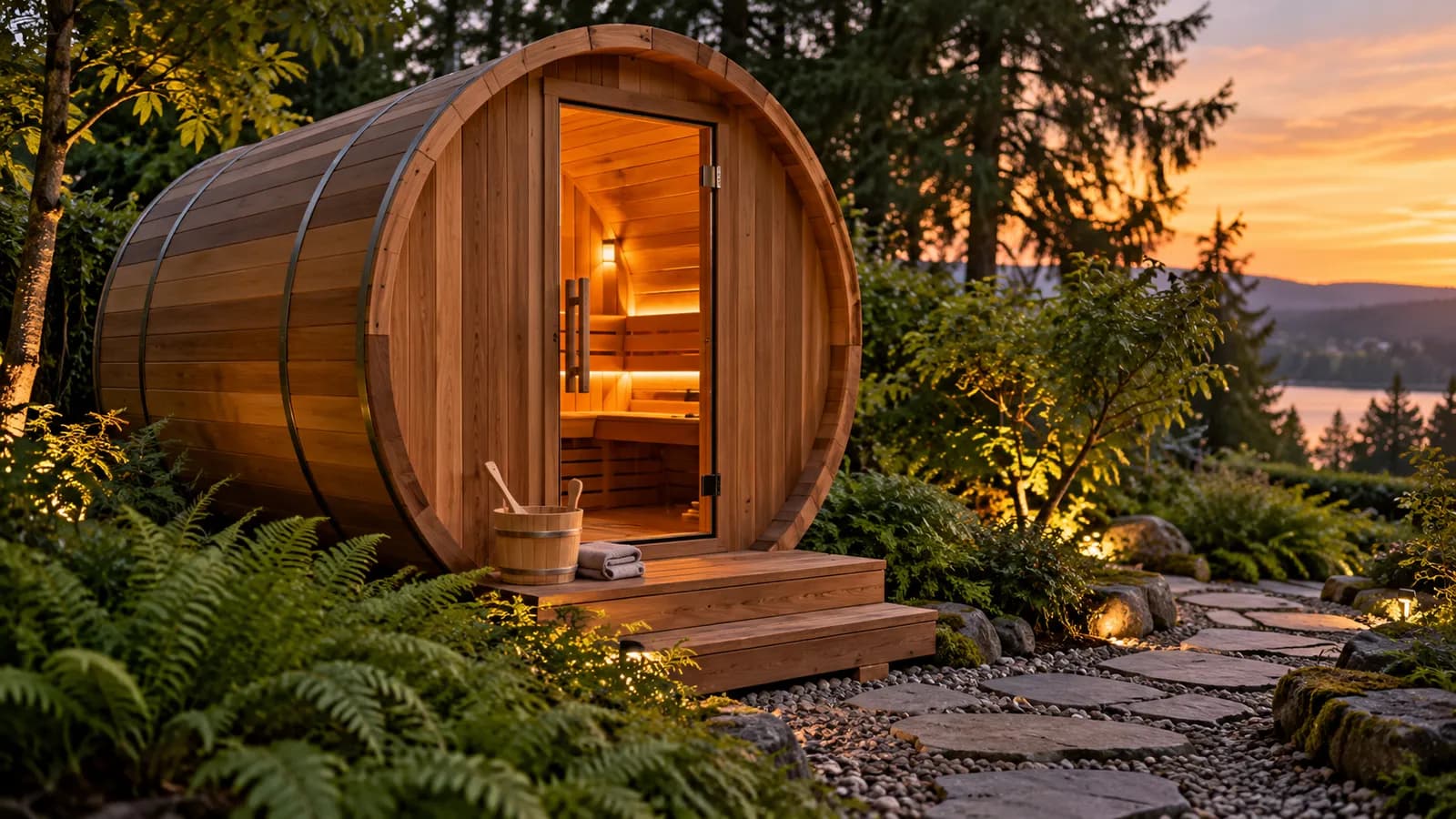
Read our guide to the best inflatable hot tubs, or consider a backyard sauna or cold plunge.
Frequently asked questions
How much does a hot tub cost?
Prices vary widely: inflatable tubs start in the hundreds, plug-and-play acrylic tubs commonly start in the low thousands, and full-size 240V tubs run from several thousand into five figures. Delivery, electrical work, a base and accessories add to the total.
How much does it cost to run a hot tub?
Estimate it from the exact tub's energy use, your electricity tariff and its water-care and service needs. Generic monthly figures can miss your climate, operating pattern or installation. Use your own inputs and keep repairs and replacement separate.
Do I need a permit or a fence?
Often yes. Many areas require permits for electrical work and may have rules for barriers or locking covers. Check local requirements and your HOA's rules.
Plug-and-play or 240V?
Plug-and-play (120V) tubs are simpler to install but heat more slowly and may limit running the jets and heater at the same time. 240V tubs need a dedicated circuit installed by an electrician but offer stronger performance.
Alex Mercer brings 15 years of experience and a practical editorial approach to Backyard Review. Alex compares published product information, installation needs and ownership costs, highlighting trade-offs and distinguishing research from documented hands-on experience.