Our top picks at a glance
A great wood-burning pick
Solo Stove Bonfire 2.0See itPrice tier 2 of 4:$150–$500Most households with a patio or lawn who want an easy, mostly smokeless fire.A simple propane pick
Outland Living Firebowl (propane)Check pricePrice tier 2 of 4:$150–$500People in areas where wood fires are restricted, or who want zero fuss.
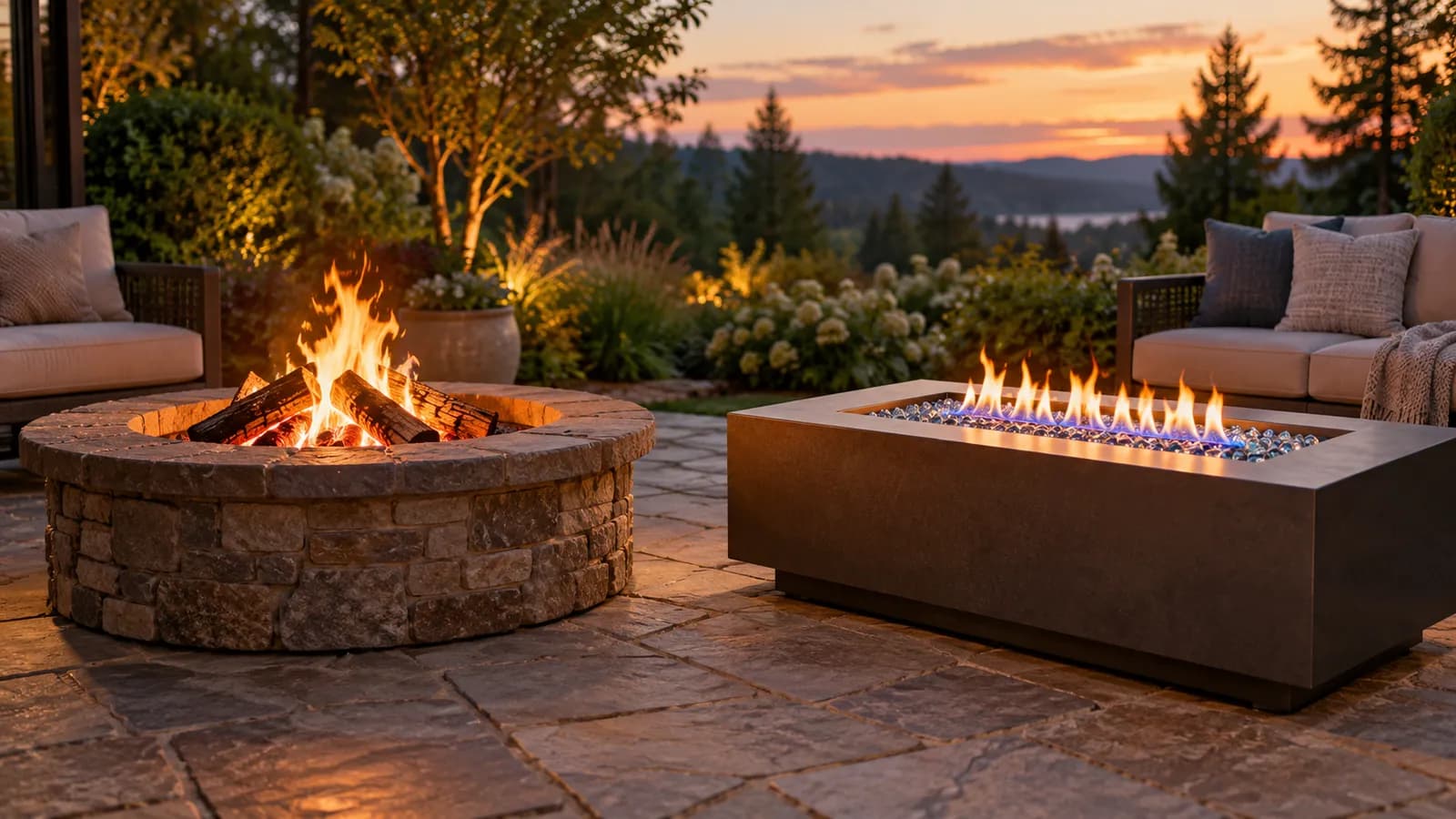
The first decision when buying a fire pit isn't brand or size — it's fuel. Wood and propane each have die-hard fans, and the right choice depends on what you want from the fire.
Wood-burning fire pits
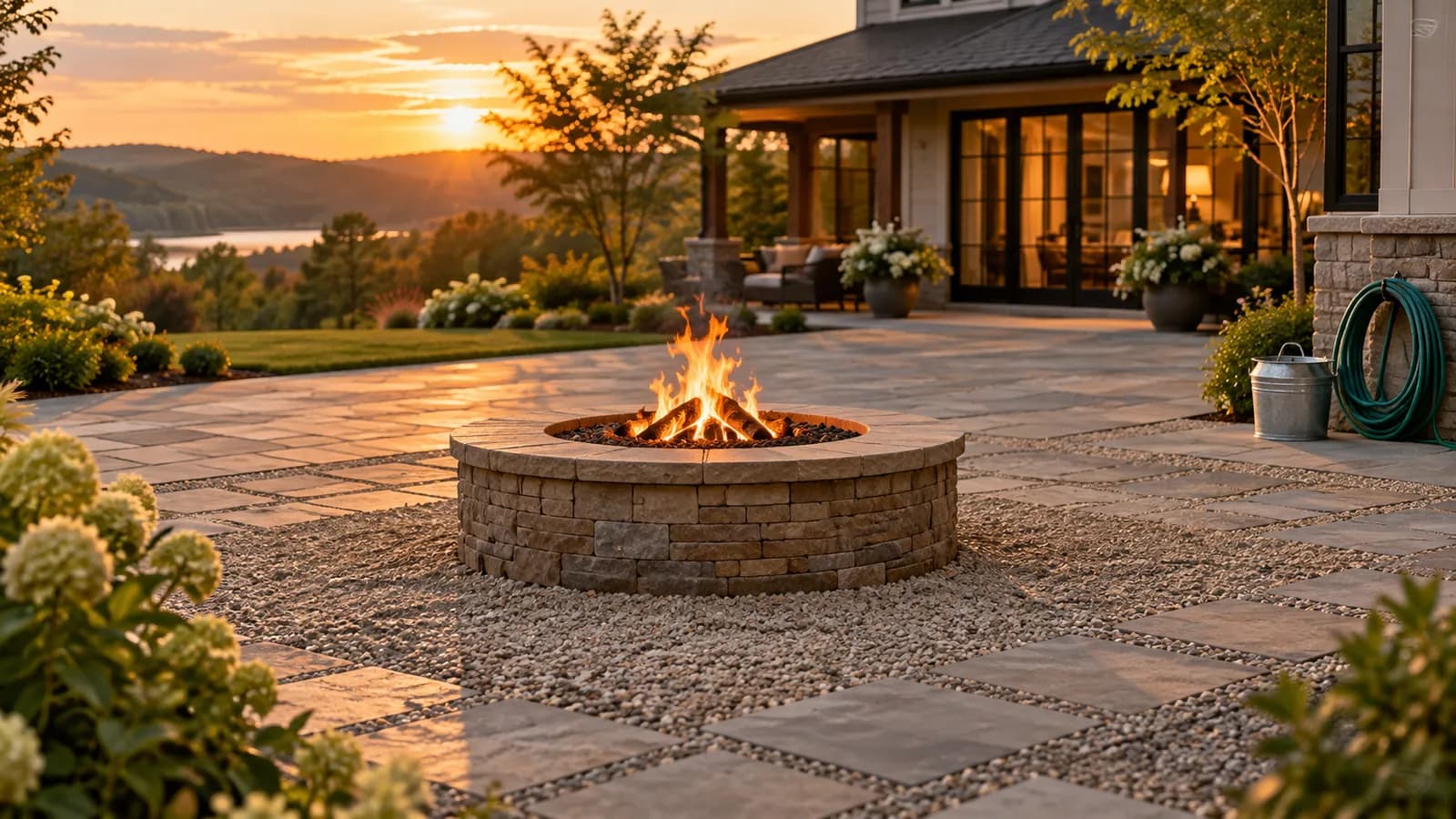
What you get: the crackle, the smell, a larger and hotter fire, and the primal experience of tending a flame. You can roast marshmallows and cook over it.
What it costs you: smoke (even with smokeless designs, if the wood is wet), ash cleanup, firewood storage and more rules. Many areas restrict wood fires in dry seasons.
Best for: people who love real fire and have a yard with space and a wood supply.
Propane fire pits
What you get: instant on/off, no smoke or ash, consistent flame and minimal cleanup. They're often allowed when wood fires aren't.
What it costs you: less radiant heat, no crackle or aroma, and propane refills or hookups.
Best for: quick evenings, patios, and anyone who values convenience or lives where wood fires are restricted.
Side-by-side
| Wood | Propane | |
|---|---|---|
| Ambiance | Crackle, smell, big flame | Clean, consistent flame |
| Heat output | High | Moderate |
| Startup | 5–10 minutes | Instant |
| Cleanup | Ash | Minimal |
| Smoke | Some, even in "smokeless" pits | None |
| Fuel cost | Firewood | Propane |
| Rules | More restrictions | Fewer, but check locally |
| Cooking | Yes | Usually no |
Our take
If you picture your evenings around a fire, buy wood. If you picture them around a fire feature — a place to sit and talk with a flame going — propane is easier and more likely to get used. If you're torn, you can always add a portable smokeless pit later for camping or special evenings.
Our top picks
A great wood-burning pick
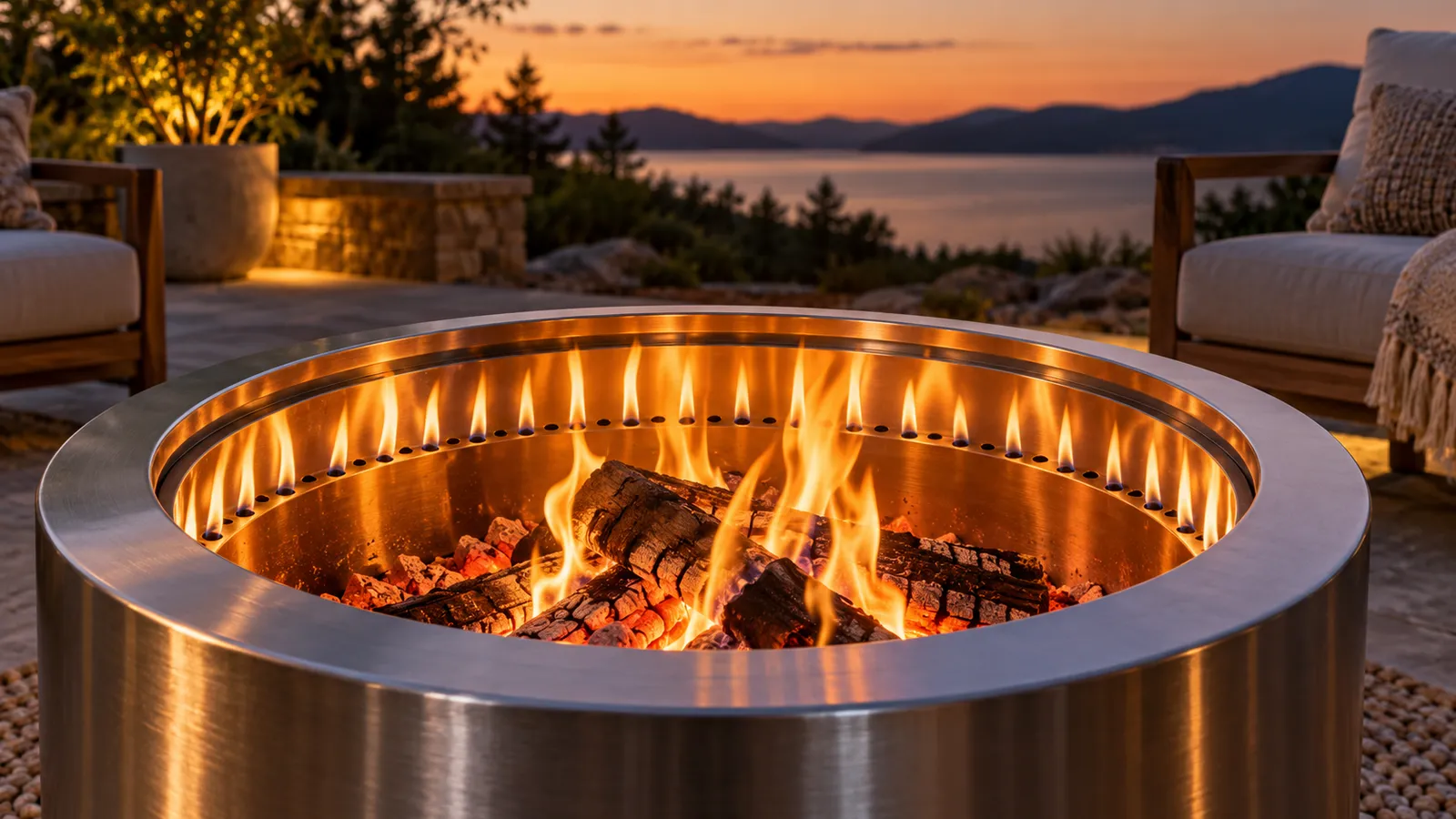
Solo Stove Bonfire 2.0
The default smokeless fire pit — and still the best all-rounder.
If you want real fire — the crackle, the smell, the ritual — a smokeless wood pit like the Bonfire 2.0 gets you most of it without the smoke in your face.
What we like
- Double-wall design pulls air through to burn wood more completely, so less smoke
- Portable stainless steel construction that's easy to move and store
- Large accessory ecosystem: stands, shields, lids, cooking tools
Trade-offs
- Needs dry, seasoned wood to stay smokeless
- Stainless steel discolors with heat — that's normal, but not everyone likes it
- Best for
- Most households with a patio or lawn who want an easy, mostly smokeless fire.
- Skip it if
- You want a pit you can leave out and forget — consider a heavier steel pit.
A simple propane pick
Outland Living Firebowl (propane)
A simple portable propane fire pit with no smoke or ash.
Portable propane fire bowls run on a standard 20-lb tank with a control knob, with no smoke, sparks or ash. You trade the crackle and aroma for convenience.
What we like
- Instant on/off with a simple control knob
- Runs on a standard 20-lb propane tank
- No smoke, sparks or ash to clean up
Trade-offs
- No wood crackle or aroma
- Needs a propane tank, which adds a running cost and storage
- Best for
- People in areas where wood fires are restricted, or who want zero fuss.
- Skip it if
- You want wood crackle and aroma, or you don't want to manage a propane tank.
Placement and safety (both types)
- Keep fire pits on a non-combustible surface, away from structures, fences and overhanging branches.
- Never use a fire pit under a covered patio or in an enclosed space — carbon monoxide builds up.
- Keep a hose, bucket or fire extinguisher nearby.
- Never leave a fire unattended, and fully extinguish it before you go inside.
- Check local rules and the manufacturer's instructions.
Read our guide to fire pit clearances, and see the best smokeless fire pits if you've chosen wood.
Frequently asked questions
Is a propane fire pit safer than a wood one?
It's easier to control — you can shut it off instantly, and there are no sparks or embers. But propane pits still get hot, need clearance, and should be used outdoors with proper ventilation. Follow the manufacturer's instructions.
Do propane fire pits give off heat?
Yes, but typically less radiant heat than a large wood fire. They're excellent for ambiance and moderate warmth; a big wood fire throws more heat.
Can I use a propane fire pit during a burn ban?
Sometimes. Rules vary: some local bans exempt gas appliances while others don't. Check with your local fire department or municipality.
Which is cheaper to run?
Wood is often cheaper if you have a source of firewood. Propane costs are predictable but add up if you use it often.
Alex Mercer brings 15 years of experience and a practical editorial approach to Backyard Review. Alex compares published product information, installation needs and ownership costs, highlighting trade-offs and distinguishing research from documented hands-on experience.