Our top picks at a glance
Fresh, dry pellets
Food-grade hardwood BBQ pelletsCheck pricePrice tier 1 of 4:Under $150Pellet grill owners chasing steady temperatures.For cleaning and handling parts
Heat-resistant grill glovesCheck pricePrice tier 1 of 4:Under $150Anyone moving hot grates and trays.Keep the hopper and electronics dry
Classic Accessories universal grill coversCheck pricePrice tier 1 of 4:Under $150Non-Weber grills and budget buyers.
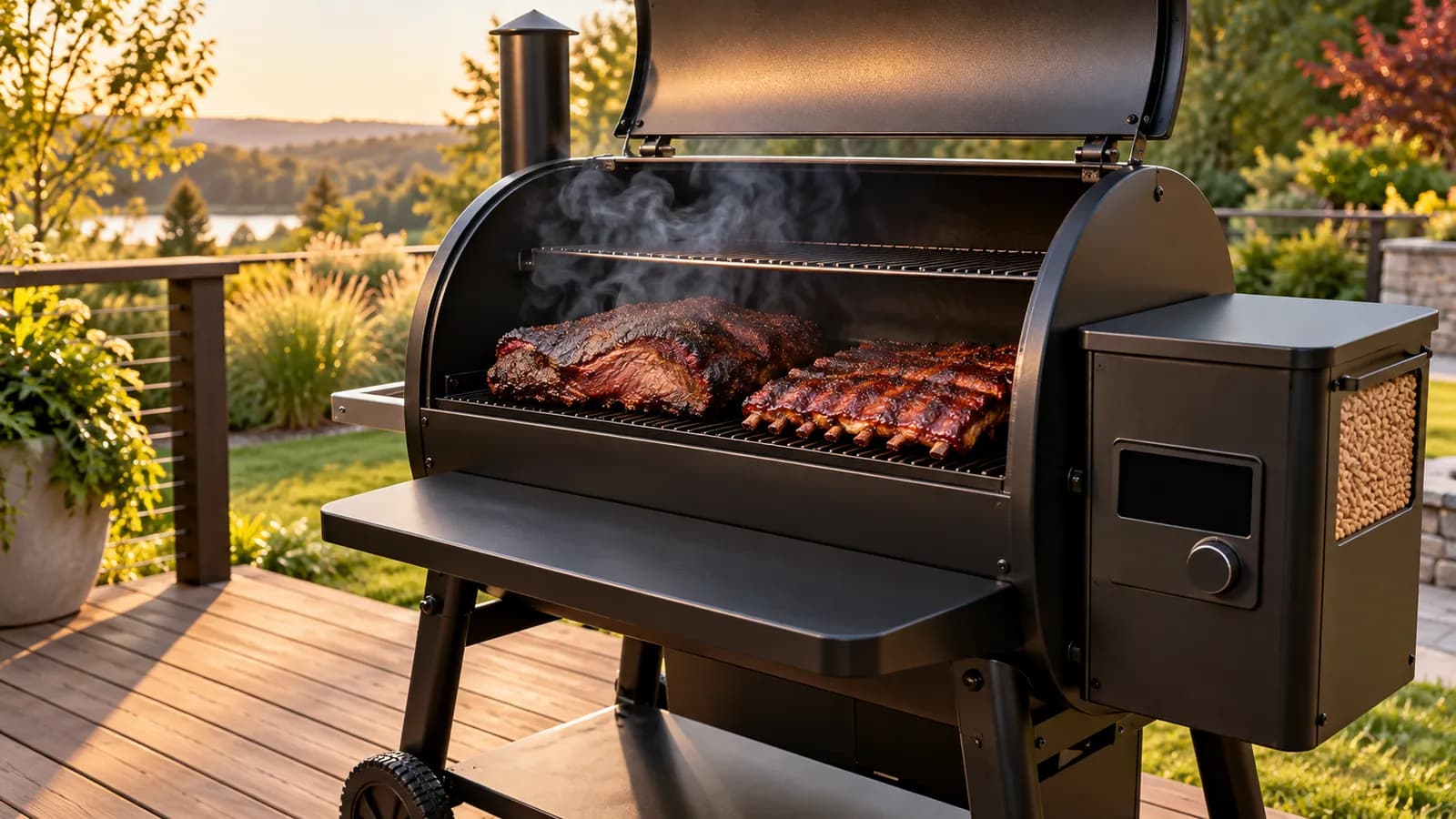
Pellet grills are simple machines: an auger feeds pellets into a fire pot, a hot rod lights them, and a fan and controller manage the heat. When one will not heat, the cause is usually moisture, ash or airflow, and the fix is cheap.
The short answer
Nine times out of ten: dry pellets and a clean fire pot fix it. Next check the temperature probe, the hopper and auger, and the weather.
Find your symptom
Won't ignite
- Hopper empty or auger not feeding. Refill with dry pellets. If the fire pot is empty at startup, prime the auger per the manual.
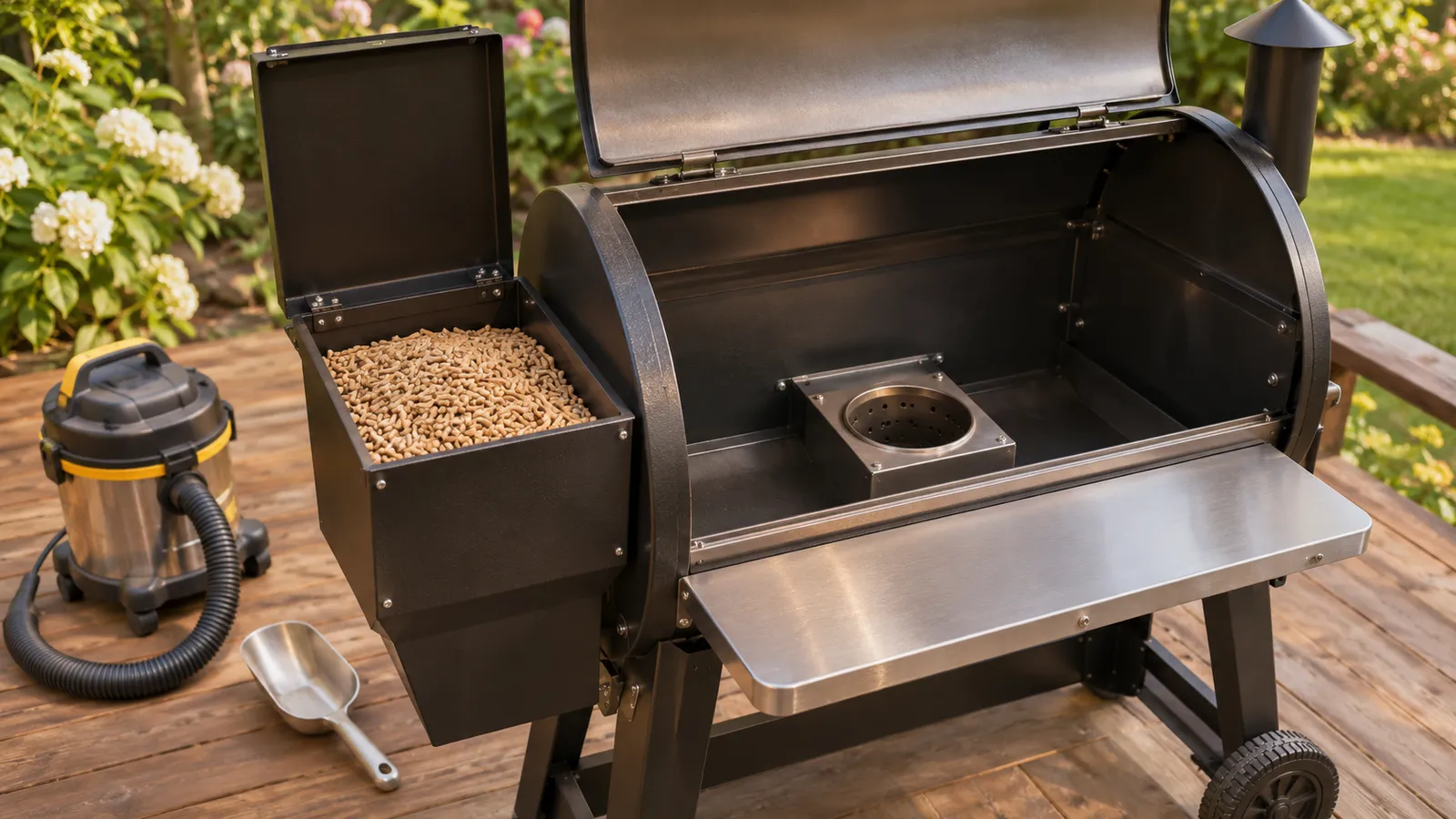
- Ash in the fire pot. With the grill cold and unplugged, vacuum the pot completely and make sure it is seated correctly.
- Damp pellets. Pellets that swell, crumble or look fuzzy are damp. Empty and vacuum the hopper and refill from a sealed container.
- Worn igniter rod. At startup it should glow hot. Replace it with the maker's part.
- Power. Check the outlet, GFCI and cord, and avoid long, thin extension cords.
Won't reach temperature
- Damp pellets or too much ash. Clean the pot and barrel, and switch to dry pellets.
- Cold or wind. Move the grill to a sheltered spot, allow extra preheat time and use an insulating blanket if the maker offers one.
- Lid opened too often. Keep it closed and use a probe thermometer.
- Dirty temperature sensor. Wipe grease off the RTD probe when the grill is cold.
Temperature swings
- Dirty RTD probe. A grimy sensor confuses the controller.
- Wind and cold. Shelter the grill.
- Pellet quality. Inconsistent pellets burn unevenly, so try fresh, food-grade ones.
Fire goes out mid-cook
- Hopper ran out or pellets bridged. Refill, break up any gap above the auger and keep pellets dry.
- Auger jam from damp pellets. Empty and vacuum the hopper, clear the auger and restock.
- Fire pot full of ash. Vacuum the pot before every long cook.
Too much smoke, or bitter smoke
- Startup smoke is normal. It clears as the fire settles.
- A dirty grill or low temperatures can produce heavy smoke. Clean the pot, barrel and grease trap, and cook at a higher temperature if the recipe allows.
Our top picks
Fresh, dry pellets
Food-grade hardwood BBQ pellets
Dry, sealed pellets burn cleaner and jam the auger less.
Dry, sealed pellets burn cleaner, make less ash and jam the auger less. Store opened bags in an airtight container, and check that the pellets suit your grill.
What we like
- Dry, sealed bags keep moisture out
- Hardwood blends add flavor
- Less ash from quality pellets
Trade-offs
- Premium blends cost more
- Must be stored dry after opening
- Check that the pellets suit your grill brand
- Best for
- Pellet grill owners chasing steady temperatures.
- Skip it if
- You do not own a pellet grill.
For cleaning and handling parts
Heat-resistant grill gloves
Silicone or aramid gloves for handling hot grates, trays and pans.
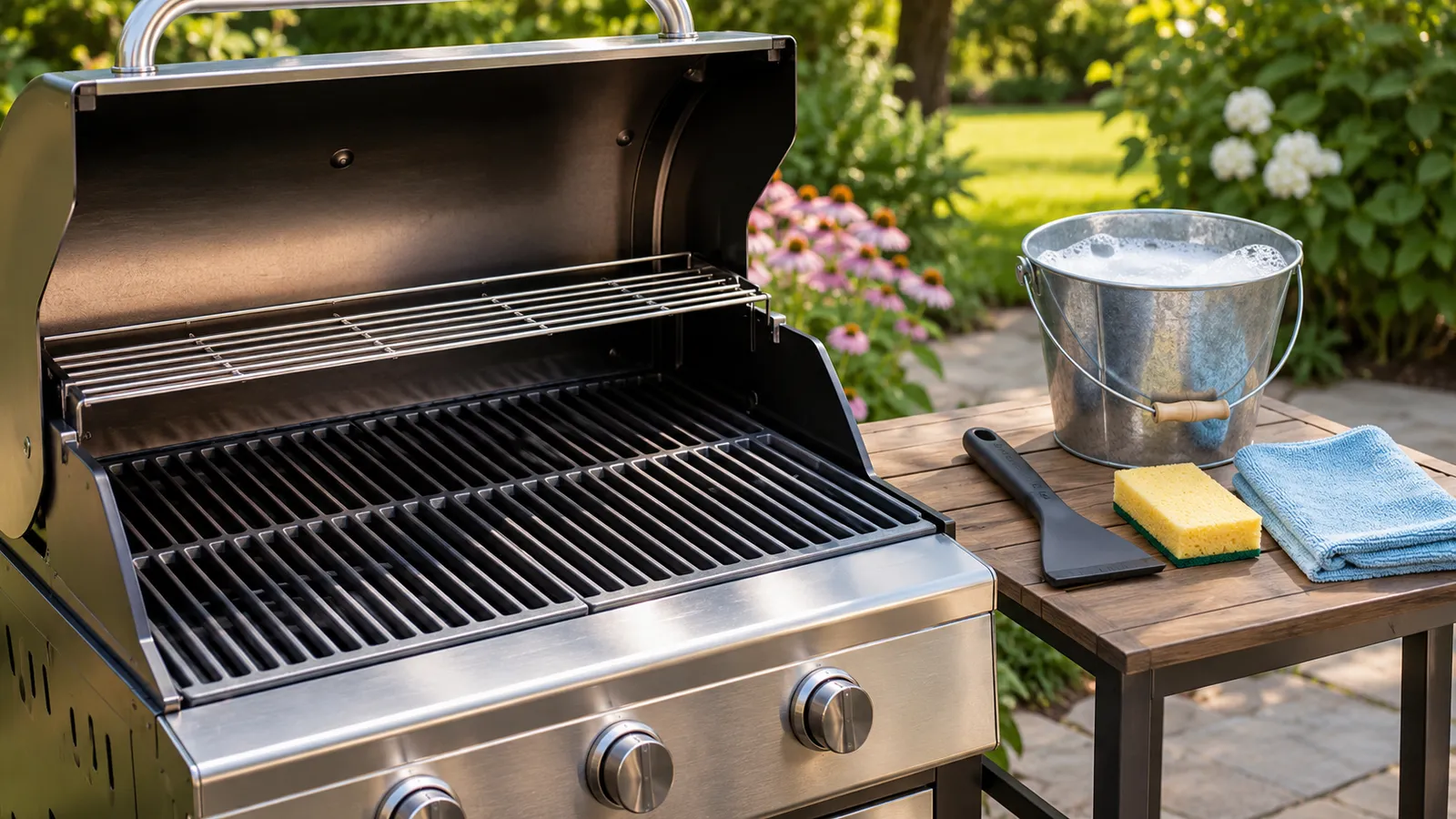
Handy when you need to move warm grates and drip trays. Always let the fire pot and parts cool before cleaning, and follow your manual.
What we like
- Protects hands on hot surfaces
- Makes cleaning a warm grill easier
- Washable
Trade-offs
- Check the stated temperature rating and read the care label
- Wet gloves can conduct heat
- Bulky gloves reduce dexterity
- Best for
- Anyone moving hot grates and trays.
- Skip it if
- You rarely handle hot parts.
Keep the hopper and electronics dry
Classic Accessories universal grill covers
A budget-friendly range of universal covers in many sizes.
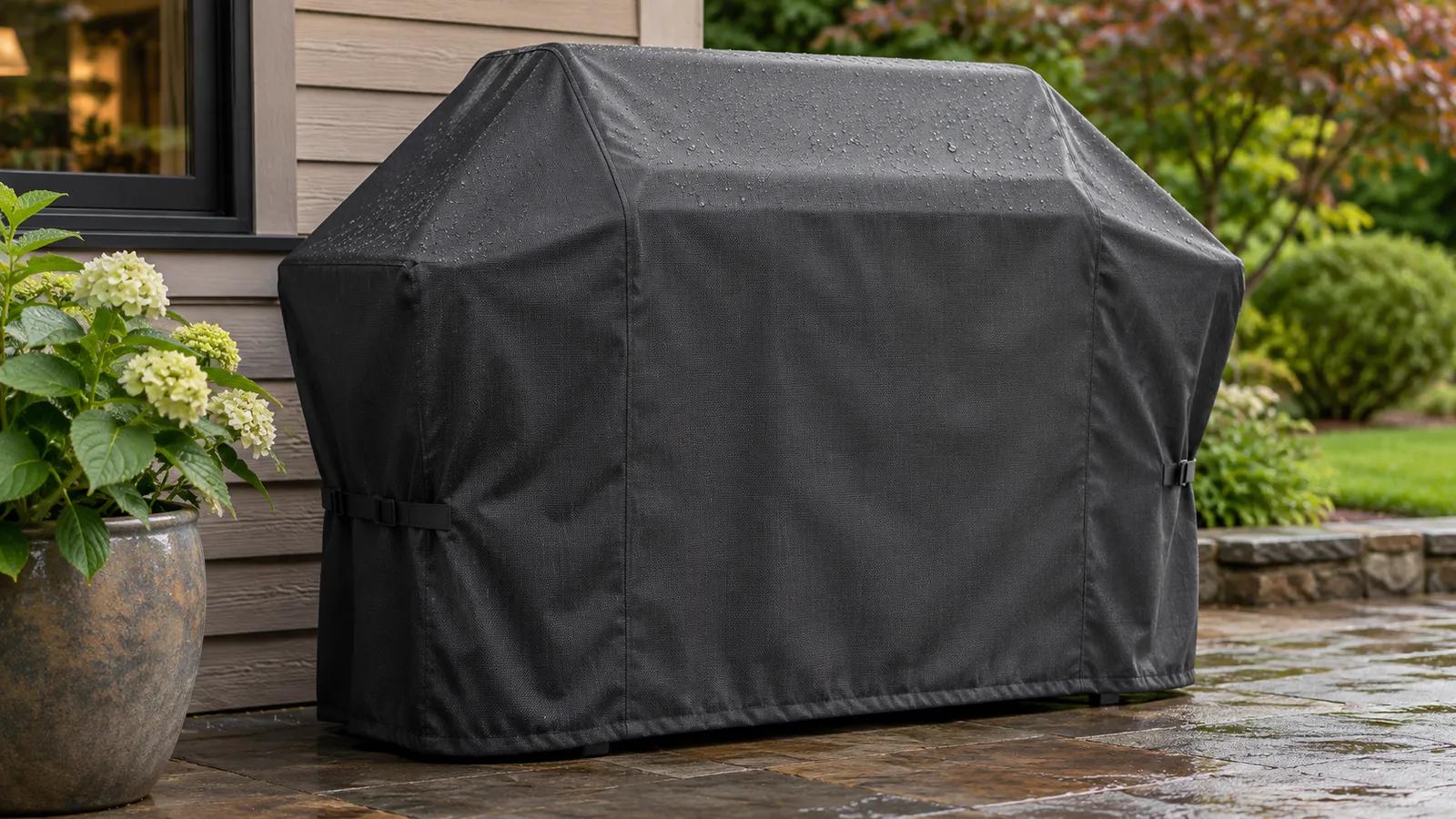
A cover keeps moisture out of the hopper and electronics. Measure the grill and put the cover on only when it has cooled.
What we like
- Many sizes fit most grills
- Affordable
- Easy to find
Trade-offs
- Universal fit is looser than a model-specific cover
- Measure your grill before you order
- Cheaper fabric can fade over years
- Best for
- Non-Weber grills and budget buyers.
- Skip it if
- You want a precise, tailored fit.
Care that prevents problems
- Vacuum ash regularly, and empty the grease bucket.
- Store pellets airtight, not in an open bag.
- Empty the hopper before long storage.
- Keep it covered and dry.
- Follow your manual for startup, shutdown and error codes.
Keep going
Browse our best pellet grills, learn how to clean a grill and use our BBQ cook-time planner when it is working again.
Frequently asked questions
Why won't my pellet grill get hot?
The usual causes are damp pellets, ash packed in the fire pot, a dirty temperature probe, or cold, windy weather. Clean out the pot and barrel, use fresh, dry pellets, shelter the grill and keep the lid closed.
Why does my pellet grill keep going out?
Common causes are an empty or bridged hopper, damp pellets jamming the auger, and ash overflowing in the fire pot. Empty and vacuum the hopper, clear the auger, and clean the fire pot before long cooks.
How often should I clean the fire pot?
Vacuum ash from the fire pot every cook or every few cooks, and clean the barrel and grease trap on a regular schedule. Follow your maker's guidance.
What do the error codes mean?
Codes differ by brand and model, so check the manual or the maker's support page. Many relate to the igniter, the temperature probe or the auger, and a power or connection problem is often behind them.
Alex Mercer brings 15 years of experience and a practical editorial approach to Backyard Review. Alex compares published product information, installation needs and ownership costs, highlighting trade-offs and distinguishing research from documented hands-on experience.