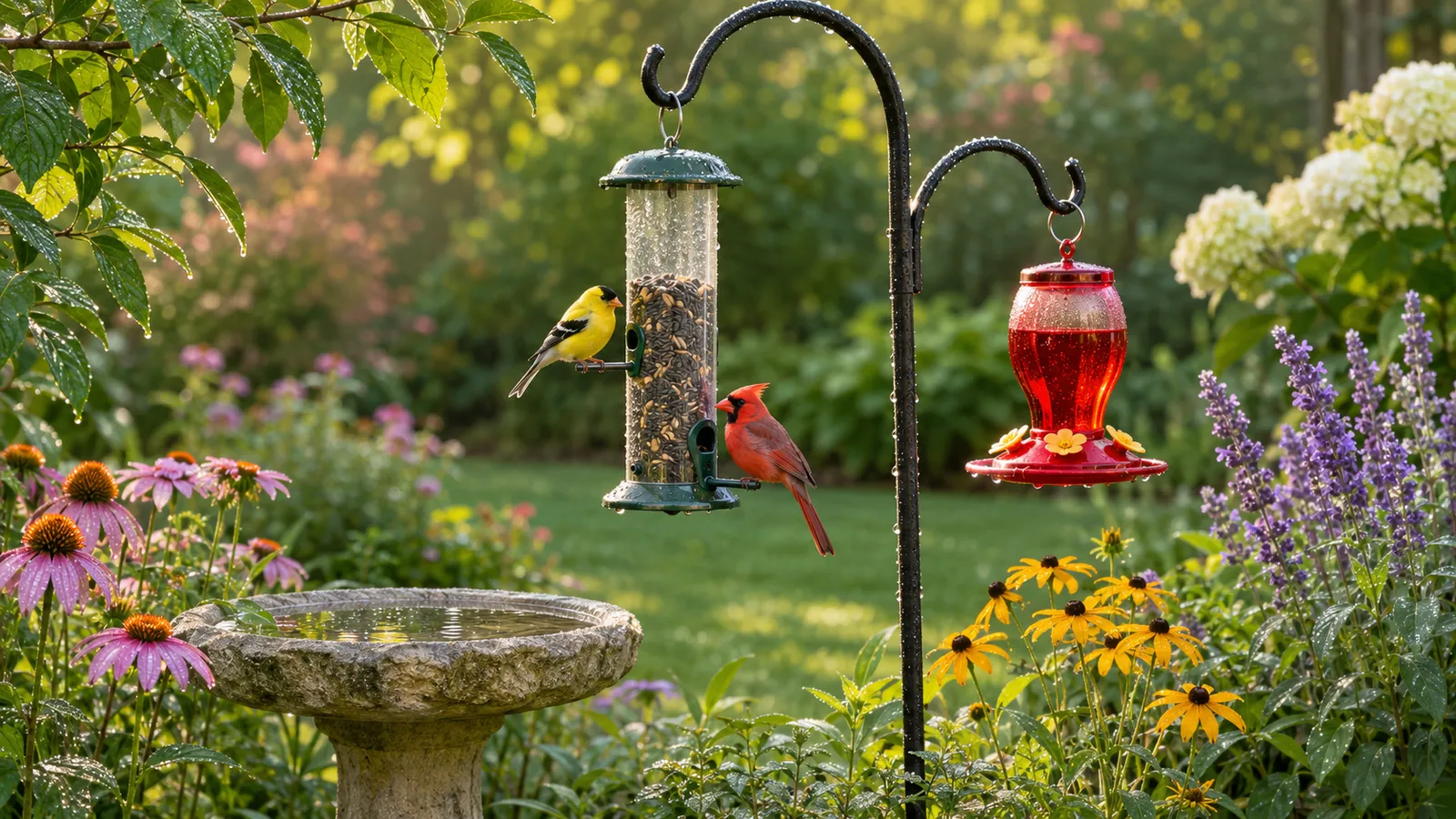
Backyard Birds & Wildlife: Feeders, Baths & How to Attract Birds
Bird feeders, hummingbird feeders, smart camera feeders and heated bird baths compared, plus the simple habits that actually bring birds to your yard.
Backyard birding is one of the quietest and most addictive hobbies there is. A single well-placed feeder can turn a window into a nature channel, and a bit of water in winter often does more than any food.
The gear matters less than the habits: the right seed, a feeder you will actually clean, a spot that is safe from window strikes and cats, and a way to keep squirrels honest. We cover both, with picks for every budget and a free nectar calculator for hummingbird season.
Best birds & wildlife — top picks
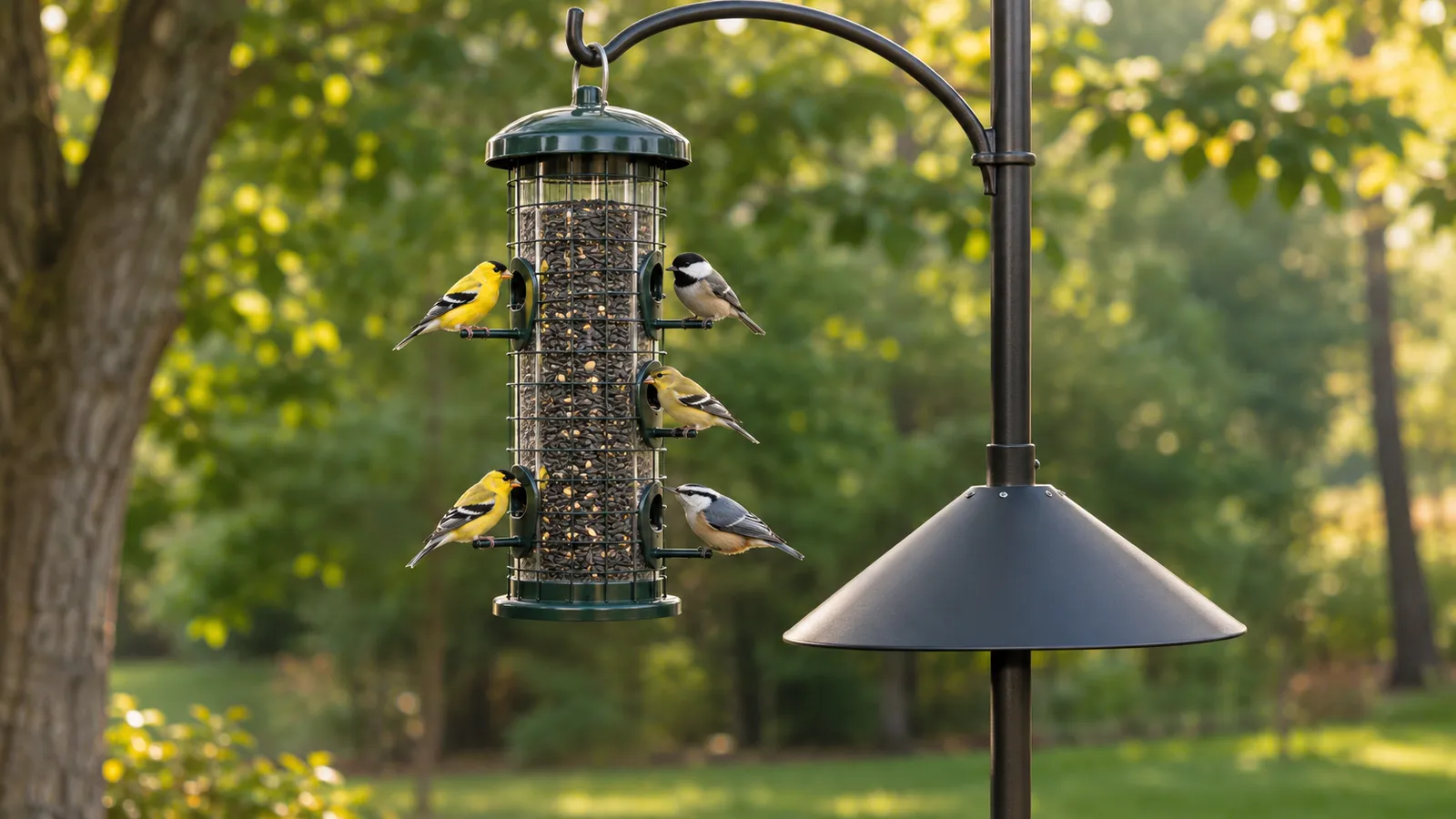
Birds & Wildlife
Best Bird Feeders
Tube, squirrel-resistant, suet and window bird feeders compared, with honest trade-offs and the seed that actually brings in the most birds.
Top picks · 4 min read
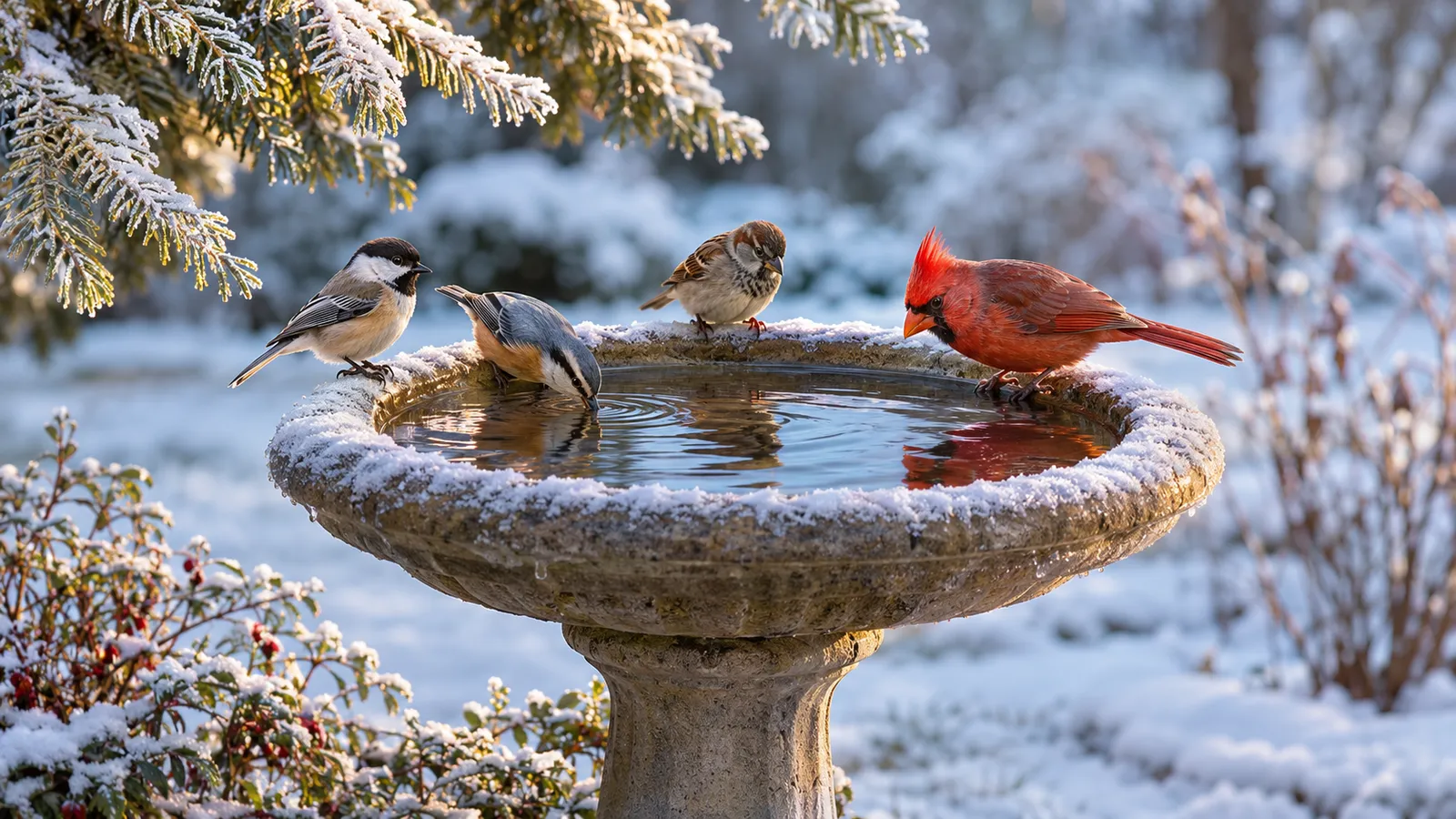
Birds & Wildlife
Best Heated Bird Baths
Heated bird baths and drop-in de-icers compared for keeping water open in freezing weather, with safety tips for cords and outlets.
Top picks · 3 min read
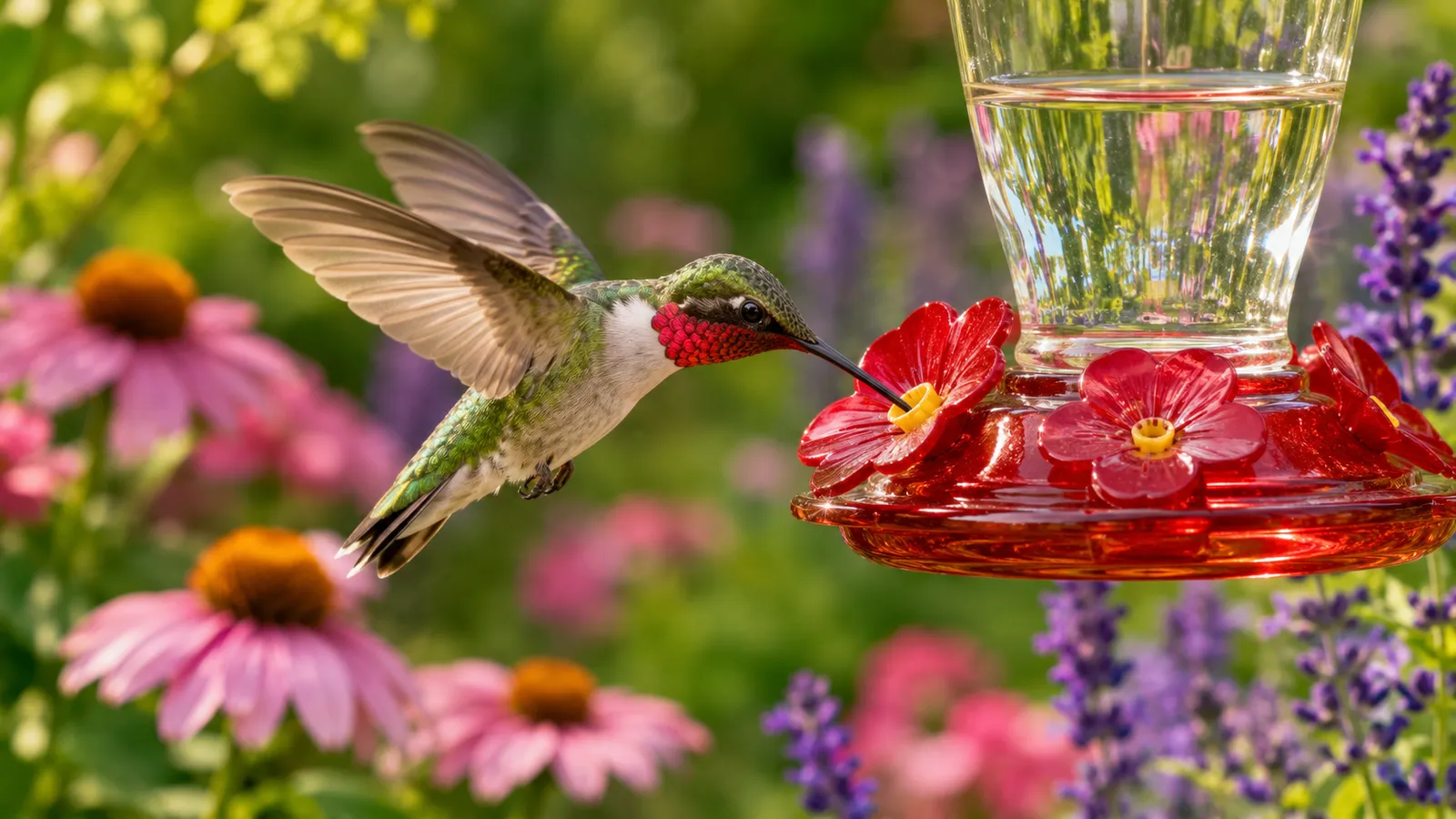
Birds & Wildlife
Best Hummingbird Feeders
Hummingbird feeders compared, plus the right 1:4 nectar recipe, how often to change it, and tips to keep ants and bees away.
Top picks · 3 min read
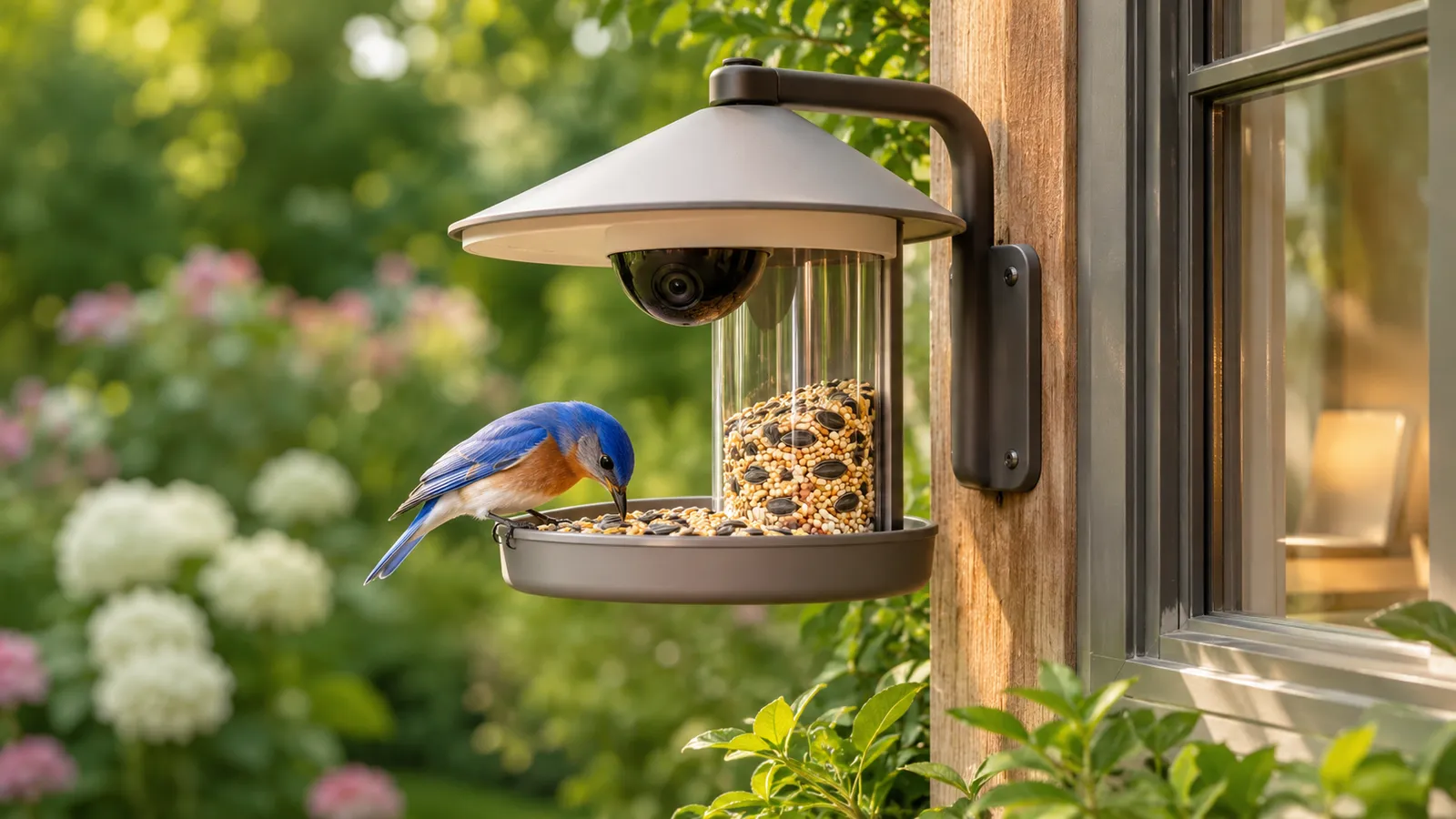
Birds & Wildlife
Best Smart Bird Feeders
Camera bird feeders compared: Bird Buddy, Birdfy and smart hummingbird feeders, plus what to check about Wi-Fi, subscriptions and accuracy.
Top picks · 3 min read
Comparisons & how-to guides
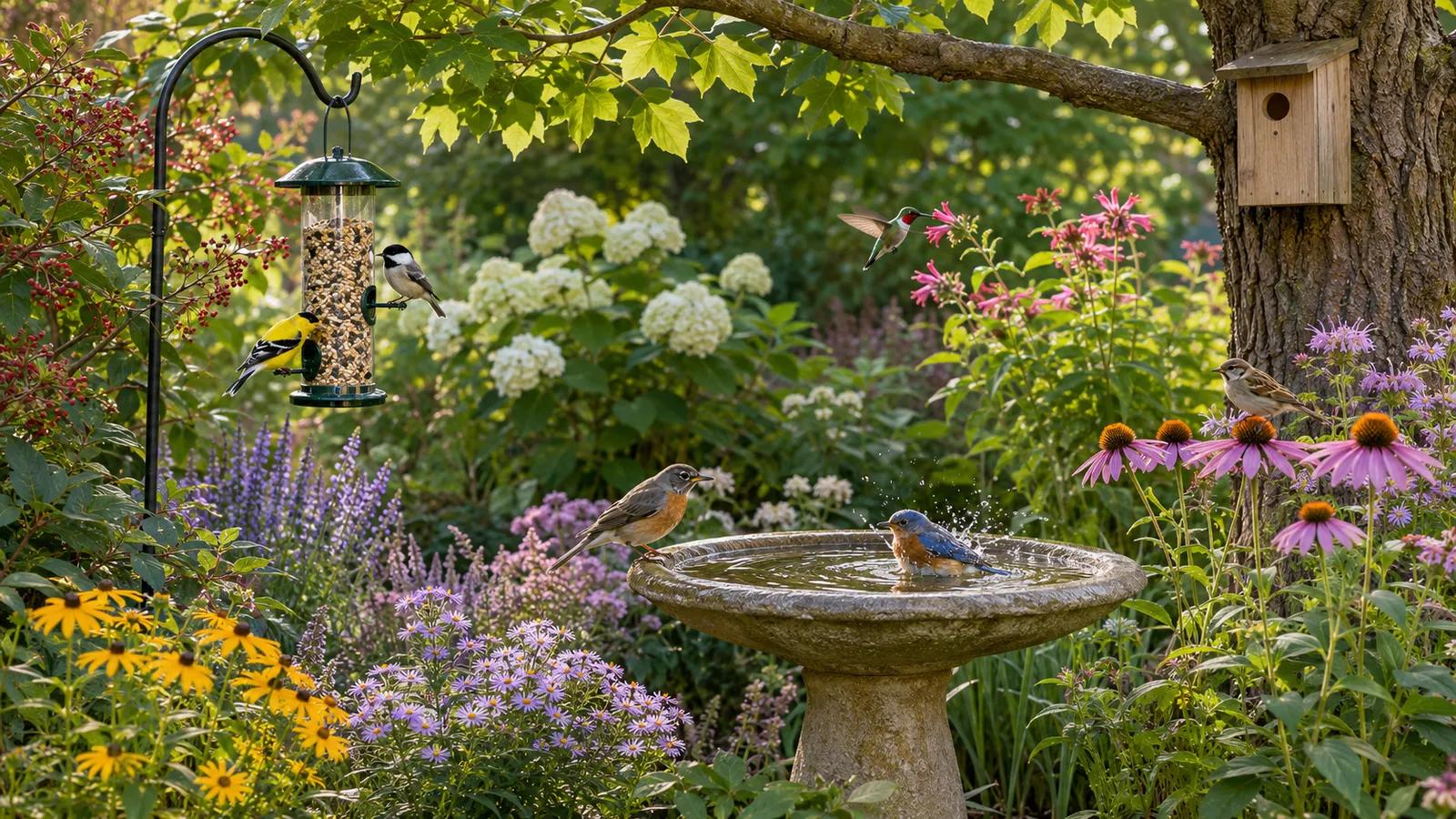
Free birds & wildlife tools
Browse every birds & wildlife product we've researched
Filter by price tier and jump to the guide that covers each one.
Birds & Wildlife: quick answers
What is the best seed for a bird feeder?
Black oil sunflower seed is the most widely recommended single choice because so many species eat it. Add a separate feeder with nyjer for finches or suet for woodpeckers and nuthatches once you are hooked.
How often should I clean a bird feeder?
Many bird organizations suggest every couple of weeks, and sooner in warm or wet weather or if you see wet or moldy seed. Wash with hot soapy water, soak briefly in a weak bleach solution of about one part bleach to nine parts water, rinse well and let it dry completely.
What is the right hummingbird nectar recipe?
Mix one part plain white table sugar with four parts water, no red dye, no honey and no sugar substitutes. Replace it often, daily in hot weather, and clean the feeder each time.