Our top picks at a glance
Clean grates without loose bristles
Bristle-free grill scrapers and brushesCheck pricePrice tier 1 of 4:Under $150Anyone who wants to keep wire bristles off the grill.For heavy build-up
Grill cleaning bricks and stonesCheck pricePrice tier 1 of 4:Under $150Griddles and heavy build-up.Handle warm parts safely
Heat-resistant grill glovesCheck pricePrice tier 1 of 4:Under $150Anyone moving hot grates and trays.Keep it clean after you clean it
Classic Accessories universal grill coversCheck pricePrice tier 1 of 4:Under $150Non-Weber grills and budget buyers.
A clean grill cooks better, lights more reliably, lasts longer and is far less likely to flare up. The trick is to do a little often, so a deep clean never becomes a big job.
The short answer
Every cook: scrape the grates. Every few cooks: empty the grease tray. A few times a year: deep clean. Skip the loose-bristle wire brush.
After every cook (2 minutes)
- Burn off residue by running the grill hot for 10 to 15 minutes with the lid closed (gas or charcoal).
- Scrape the grates with a bristle-free scraper or brush while they are warm. Use long-handled tools and heat-resistant gloves.
- Wipe or lightly oil the grates if you like.
Weekly (5 minutes)
- Empty the grease tray or drip pan. Built-up grease is the main cause of flare-ups.
- Check the burner area for debris.
Deep clean (30 to 60 minutes, a few times a year)
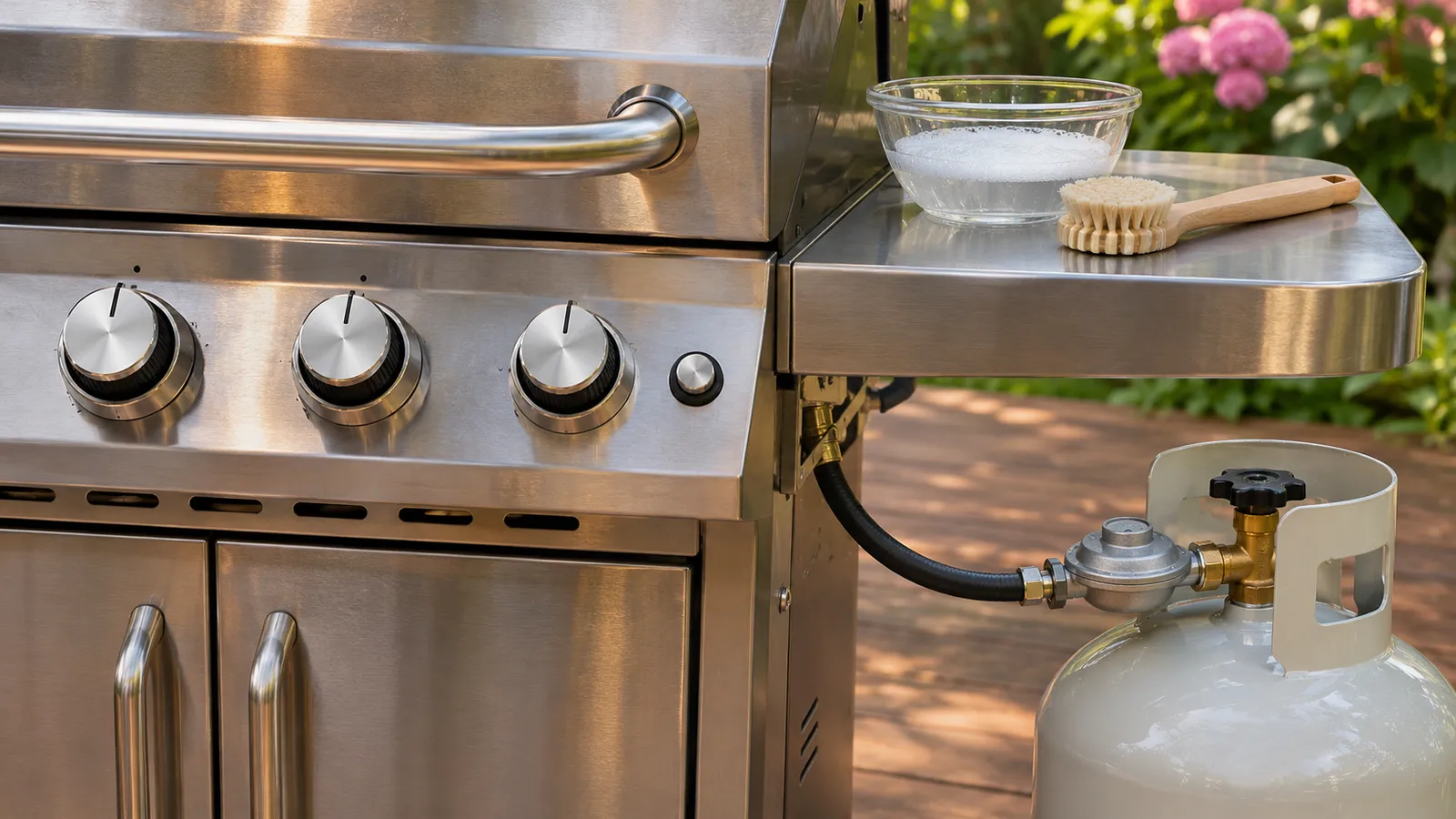
- Let the grill cool completely. For gas, close the tank valve first.
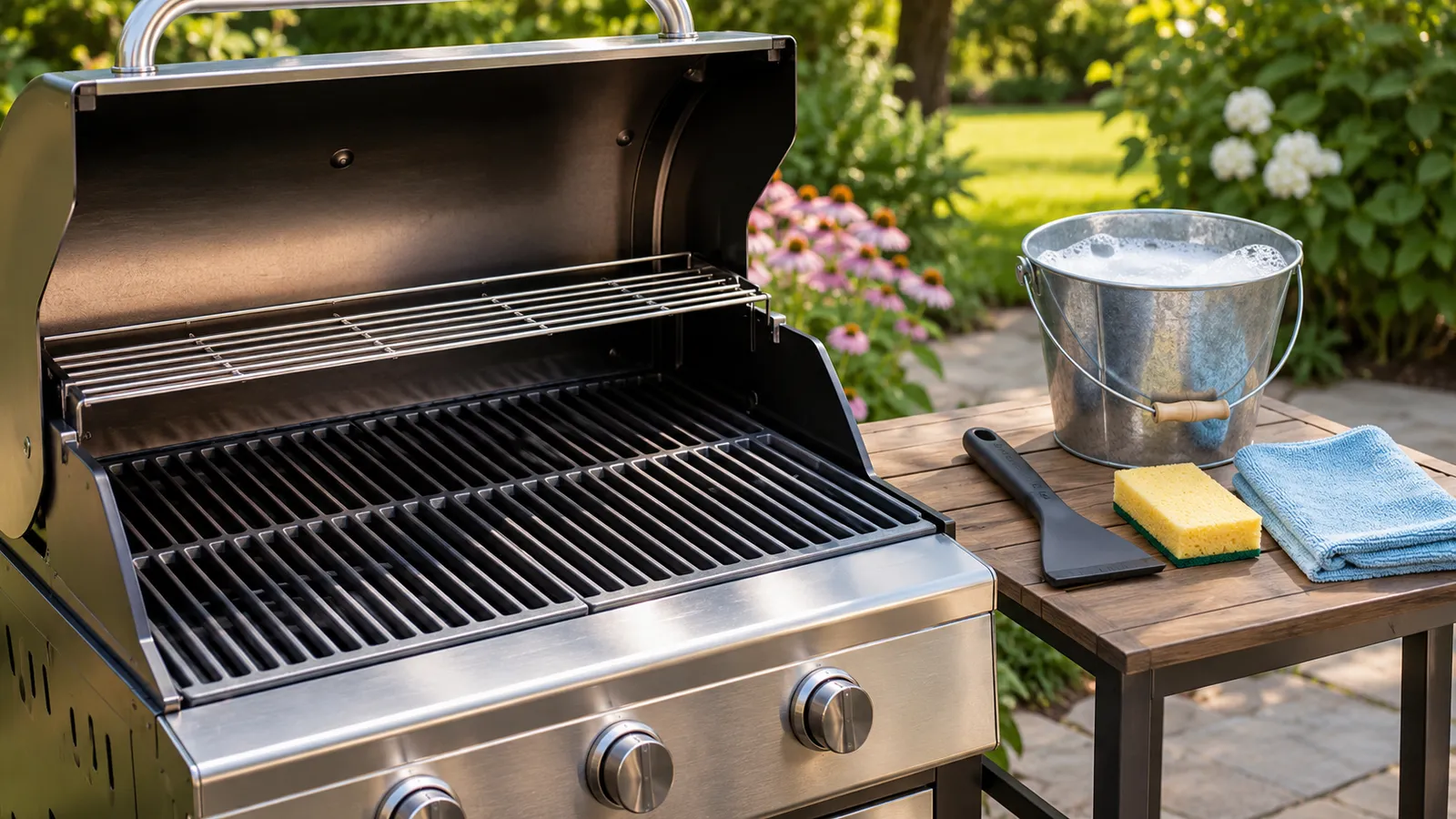
- Remove the grates and soak them in hot, soapy water, then scrub and rinse.
- Remove the heat shields or flavorizer bars and scrape off buildup.
- Clean the burners. Brush the outside, and clear clogged ports with a stiff wire or burner-port tool. Look for spider webs in the tubes.
- Scrape the firebox and the inside of the lid. Flaking residue is mostly carbon, not paint, but scrape it off.
- Empty and wash the grease tray.
- Wipe the outside with warm soapy water. For stainless steel, wipe with the grain.
- Reassemble, then reconnect the gas and leak test per your manual.
Charcoal and kamado grills
- Empty the ash before each cook, because it holds moisture and chokes airflow.
- Clean the grates as above, and wipe down the vents.
- For kamados, follow your maker's advice on gaskets, covers and vents to prevent mold.
Pellet grills
- Vacuum the fire pot every cook or every few cooks, empty the grease bucket and clean the temperature probe. See pellet grill won't heat up.
About wire brushes
Loose wire bristles can break off and end up in food. Doctors and safety agencies have reported injuries from swallowed bristles. A bristle-free scraper, a nylon brush or a cleaning stone avoids the risk. If you use a wire brush, check the grates and the food afterward.
Our top picks
Clean grates without loose bristles
Bristle-free grill scrapers and brushes
Clean grates without loose wire bristles that can end up in food.
A scraper or bristle-free brush avoids loose wire bristles that can end up in food. It needs a little more effort on baked-on grime, and wood scrapers wear down.
What we like
- Avoids loose metal bristles that can get into food
- Works on most grate materials when used as directed
- Cheap
Trade-offs
- Needs more elbow grease on baked-on grime
- Wooden scrapers wear down and need replacing
- Check that the tool suits your grate material
- Best for
- Anyone who wants to keep wire bristles off the grill.
- Skip it if
- You already use a cleaning method you are happy with.
For heavy build-up
Grill cleaning bricks and stones
A pumice-style block for scouring flat-tops and grates.
A pumice-style block cuts through burnt-on residue on griddles and grates. It can scratch some finishes and wears away, so skip it on porcelain or non-stick grates.
What we like
- Cuts through burnt-on residue on griddles
- Cheap
- No bristles
Trade-offs
- Can scratch some finishes
- Wears away as you use it
- Check that your grate or top is compatible
- Best for
- Griddles and heavy build-up.
- Skip it if
- You have porcelain-coated or non-stick grates.
Handle warm parts safely
Heat-resistant grill gloves
Silicone or aramid gloves for handling hot grates, trays and pans.
Silicone or aramid gloves help when you move warm grates and trays. Check the temperature rating, and remember that wet gloves can conduct heat.
What we like
- Protects hands on hot surfaces
- Makes cleaning a warm grill easier
- Washable
Trade-offs
- Check the stated temperature rating and read the care label
- Wet gloves can conduct heat
- Bulky gloves reduce dexterity
- Best for
- Anyone moving hot grates and trays.
- Skip it if
- You rarely handle hot parts.
Keep it clean after you clean it
Classic Accessories universal grill covers
A budget-friendly range of universal covers in many sizes.
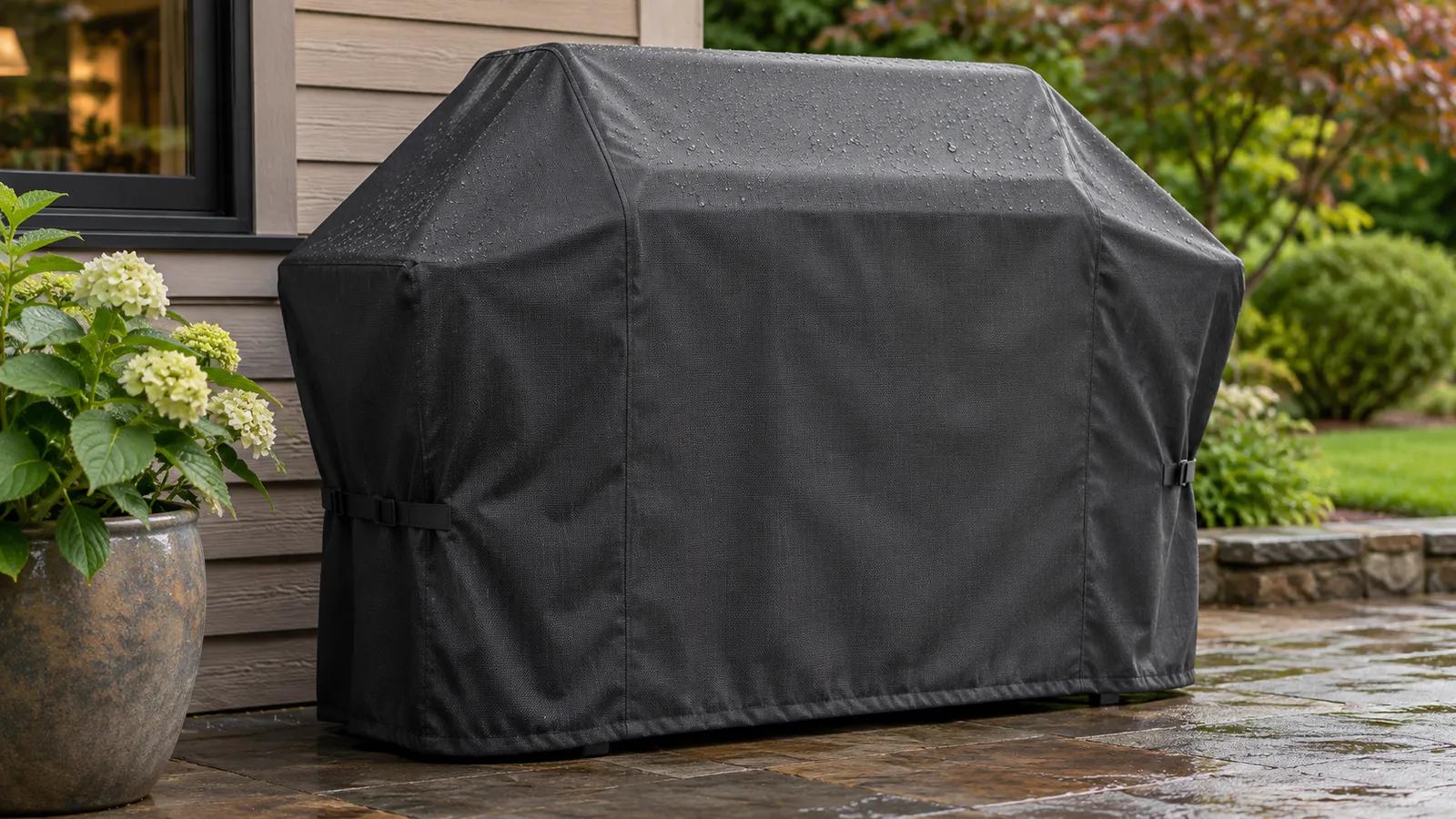
A cover keeps dirt, pollen and rain off a clean grill. Measure first, and only cover a grill once it has cooled completely.
What we like
- Many sizes fit most grills
- Affordable
- Easy to find
Trade-offs
- Universal fit is looser than a model-specific cover
- Measure your grill before you order
- Cheaper fabric can fade over years
- Best for
- Non-Weber grills and budget buyers.
- Skip it if
- You want a precise, tailored fit.
Related guides
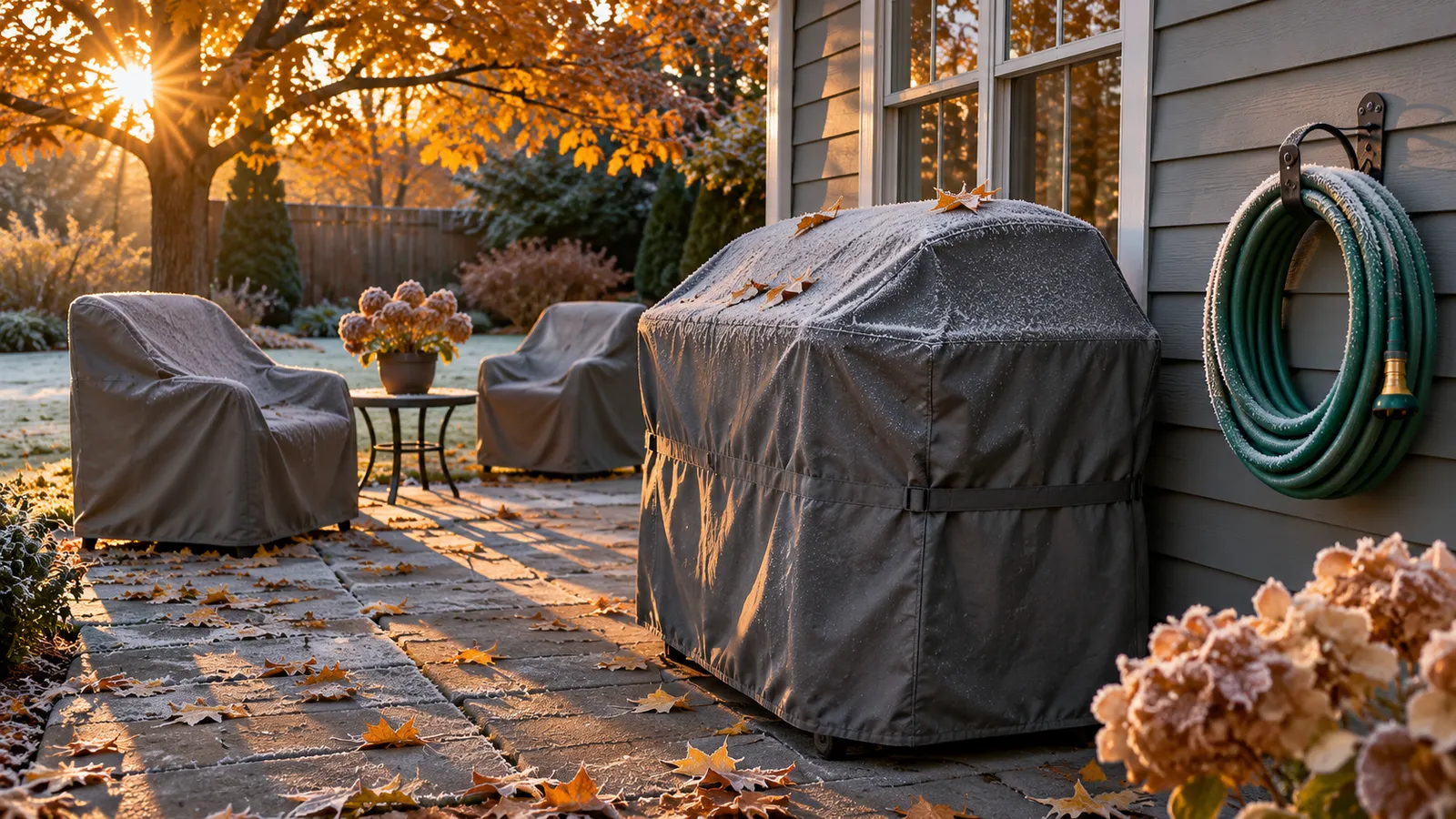
If it will not light, see gas grill won't light. Before winter, follow our winterizing guide and get a grill cover. Shopping? See the best gas grills.
Frequently asked questions
How often should I clean my grill?
Scrape the grates after every cook while they are warm, empty the grease tray regularly, and do a deep clean a few times a year, plus a full clean before winter storage and after the first use in spring.
Are wire grill brushes safe?
Wire bristles can break off and end up in food, and doctors and safety agencies have reported injuries from swallowed bristles. A bristle-free scraper, a nylon brush or a cleaning stone avoids the risk. If you use a wire brush, inspect the grates and food afterward.
Can I clean a hot grill?
Scraping while the grill is still warm is easiest, but use a long-handled tool and heat-resistant gloves. Never spray cleaners on hot grates, and let the grill cool before a deep clean.
What do I do about a grease fire?
Turn off the gas and close the lid. Never use water on a grease fire. If it is out of control, step away and call 911.
Alex Mercer brings 15 years of experience and a practical editorial approach to Backyard Review. Alex compares published product information, installation needs and ownership costs, highlighting trade-offs and distinguishing research from documented hands-on experience.