Our top picks at a glance
Best saucer-style feeder
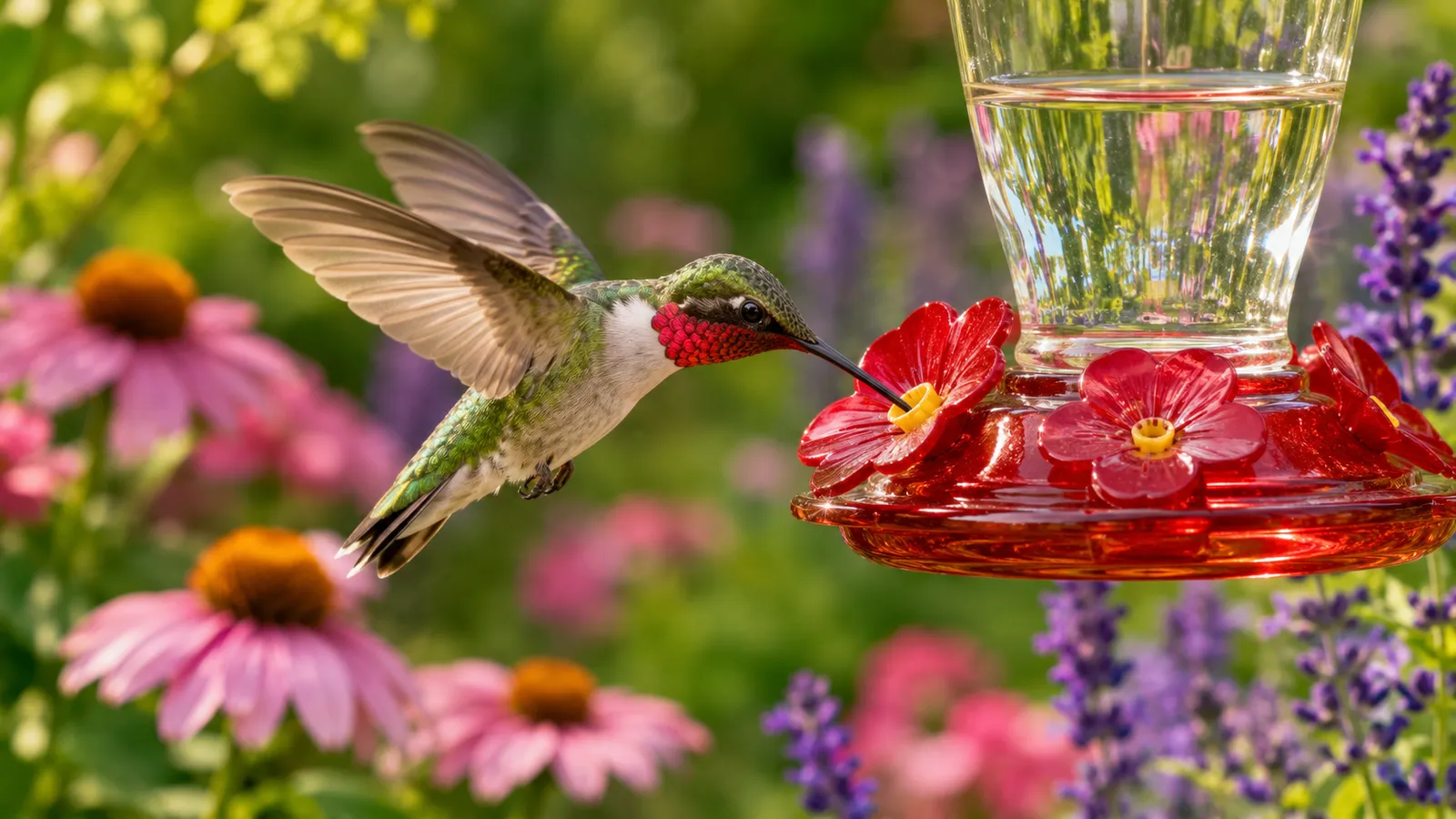
Aspects HummZinger hummingbird feedersCheck pricePrice tier 1 of 4:Under $150Hummingbird fans who want a durable saucer feeder.Best budget feeder
Perky-Pet hummingbird feedersSee itPrice tier 1 of 4:Under $150A first hummingbird feeder.Best for photos
Smart hummingbird feeders with camerasCheck pricePrice tier 2 of 4:$150–$500Hummingbird fans who want photos.
A hummingbird feeder is one of the easiest ways to bring a jewel-like bird to your yard, and one of the easiest to get slightly wrong. The feeder matters less than the nectar and the cleaning.
The short answer
- Easiest to keep clean: the Aspects HummZinger.
- On a budget: a Perky-Pet feeder.
- Want photos: a smart hummingbird feeder.
How we picked
We compared the makers' own descriptions of each feeder line and weighed them on how easily they come apart for cleaning, how well they resist leaks, ants and bees, and what they cost. We list lines rather than exact models, and we have not hands-on tested them. See our methodology.
Our top picks
Best saucer-style feeder
Aspects HummZinger hummingbird feeders
A popular saucer-style design with a reputation for staying clean and leak-free.
A popular saucer design whose parts come apart for cleaning, with features such as ant moats and bee guards on some versions. It costs a little more than basic feeders, and you should check which version includes which features.
What we like
- Popular saucer-style feeder
- Parts come apart for cleaning
- Often has features such as ant moats and bee guards
Trade-offs
- Costs a bit more than basic feeders
- Check which version includes which features
- Nectar still needs changing often
- Best for
- Hummingbird fans who want a durable saucer feeder.
- Skip it if
- You prefer a big-capacity bottle feeder.
Best budget feeder
Perky-Pet hummingbird feeders
A budget-friendly, widely sold choice for hummingbird feeding.
Affordable, easy to find, and sold in many styles, including glass. Cheaper plastic versions can leak in heat, and some designs are fussy to clean, so look for a model that comes apart completely.
What we like
- Affordable and easy to find
- Many styles, including glass options
- Parts are easy to replace
Trade-offs
- Cheaper plastic feeders can leak in heat
- Some designs are fussy to clean
- Needs ant protection in some yards
- Best for
- A first hummingbird feeder.
- Skip it if
- You want the easiest-to-clean design.
Best for photos
Smart hummingbird feeders with cameras
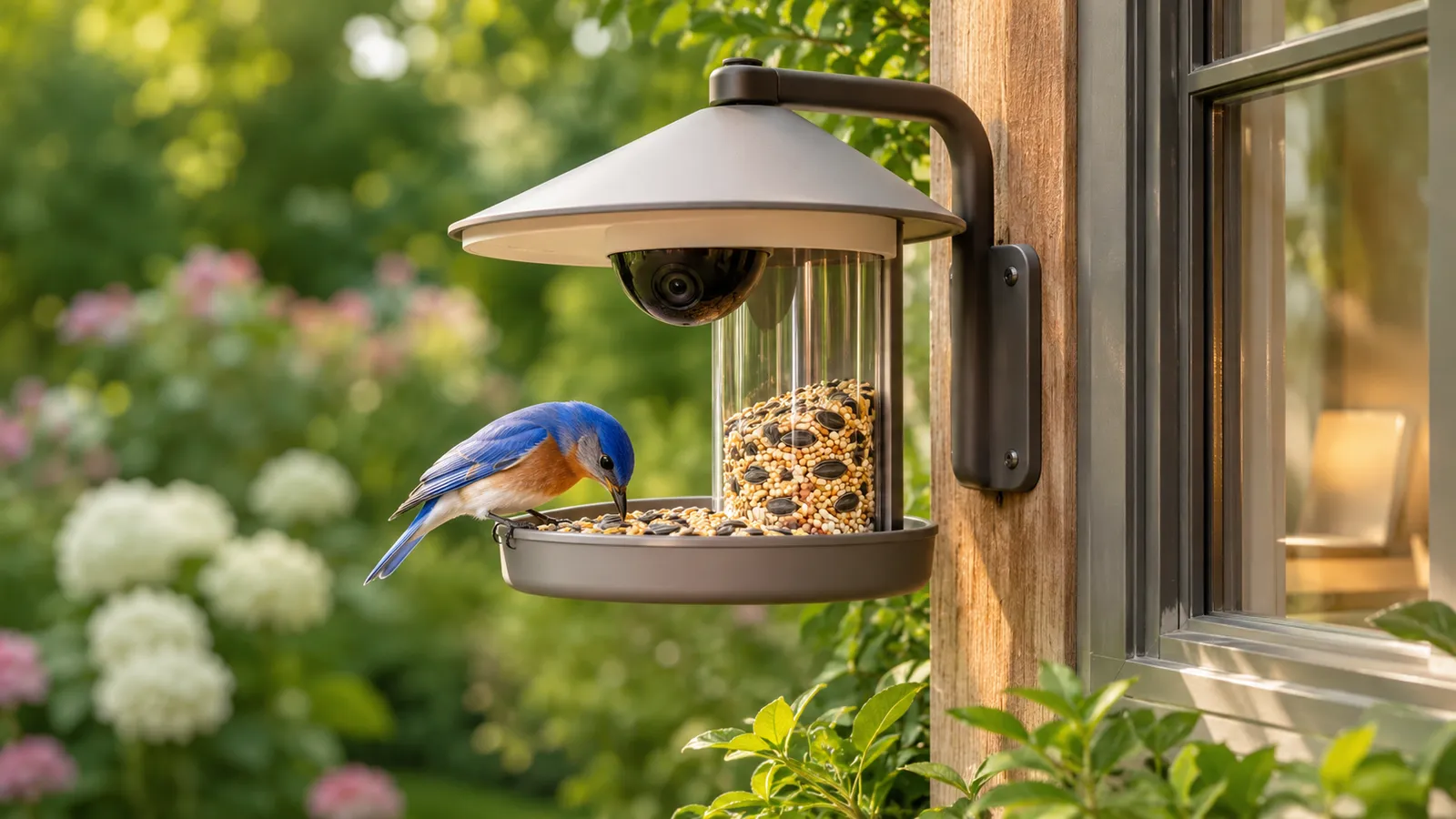
A camera and a nectar reservoir in one, for close hummingbird footage.
A nectar feeder with a built-in camera for close-up views. It costs far more than a basic feeder and may need Wi-Fi or a plan, and it still needs fresh nectar and regular cleaning.
What we like
- Close-up photos and videos of hummingbirds
- Designed for nectar, with feeding ports built for hummingbirds
- Fun for kids and hobbyists
Trade-offs
- Costs much more than a standard hummingbird feeder
- Cameras and apps may need Wi-Fi or a plan
- Still needs cleaning and fresh nectar often
- Best for
- Hummingbird fans who want photos.
- Skip it if
- You want the simplest, cheapest feeder.
The nectar recipe that works
Mix one part plain white sugar to four parts water. Dissolve the sugar in hot water, let it cool completely, and fill the feeder. Do not use honey, brown sugar, artificial sweeteners or red dye. Our free hummingbird nectar calculator works out the exact amounts for any number of feeders and shows how often to change it for your weather.
How to choose a feeder
Easy to clean
Choose a feeder that comes apart completely so you can reach every corner. A feeder you cannot clean is a feeder that will grow mold.
Leak resistance
Cheap feeders can drip in heat, which attracts ants and bees. Look for a design with tight seals.
Ants and bees
An ant moat and bee guards solve most of these problems. Keep the feeder in shade, where nectar lasts longer.
Size
Choose a size you can use up before it spoils. A small feeder you refill often beats a big one full of old nectar.
Placement
Hang it in the shade near some cover, and keep it clear of windows, or add window markings to reduce strikes.
Related guides
Learn how to attract birds to your yard, try the best seed feeders or add a smart camera feeder.
Frequently asked questions
What is the best hummingbird nectar recipe?
Mix one part plain white table sugar with four parts water, such as 1 cup of sugar to 4 cups of water. Do not use honey, brown sugar, artificial sweeteners or red dye.
How often should I change hummingbird nectar?
In hot weather, 90 degrees or higher, change it every day. In the 80s, about every two days, in the 70s every three to four days and in cooler weather every five to six days. If it looks cloudy or moldy, change it right away and scrub the feeder.
When should I put out hummingbird feeders?
Hang them about two weeks before hummingbirds usually arrive in your area, and keep them up for a couple of weeks after you see the last one. Leaving feeders up in fall does not stop them from migrating.
How do I keep ants and bees away from the feeder?
An ant moat above the feeder, filled with water, stops ants. Bee guards on the ports help with bees and wasps. Keep the feeder clean and wipe up drips, and avoid greasing the hanger, which can harm birds.
Alex Mercer brings 15 years of experience and a practical editorial approach to Backyard Review. Alex compares published product information, installation needs and ownership costs, highlighting trade-offs and distinguishing research from documented hands-on experience.