Our top picks at a glance
A cover for the grill
Classic Accessories universal grill coversCheck pricePrice tier 1 of 4:Under $150Non-Weber grills and budget buyers.Covers for the furniture
Patio furniture coversCheck pricePrice tier 1 of 4:Under $150Anyone leaving furniture outside over winter.Extra protection for outdoor faucets
Insulated outdoor faucet coversCheck pricePrice tier 1 of 4:Under $150Extra protection on outdoor faucets.
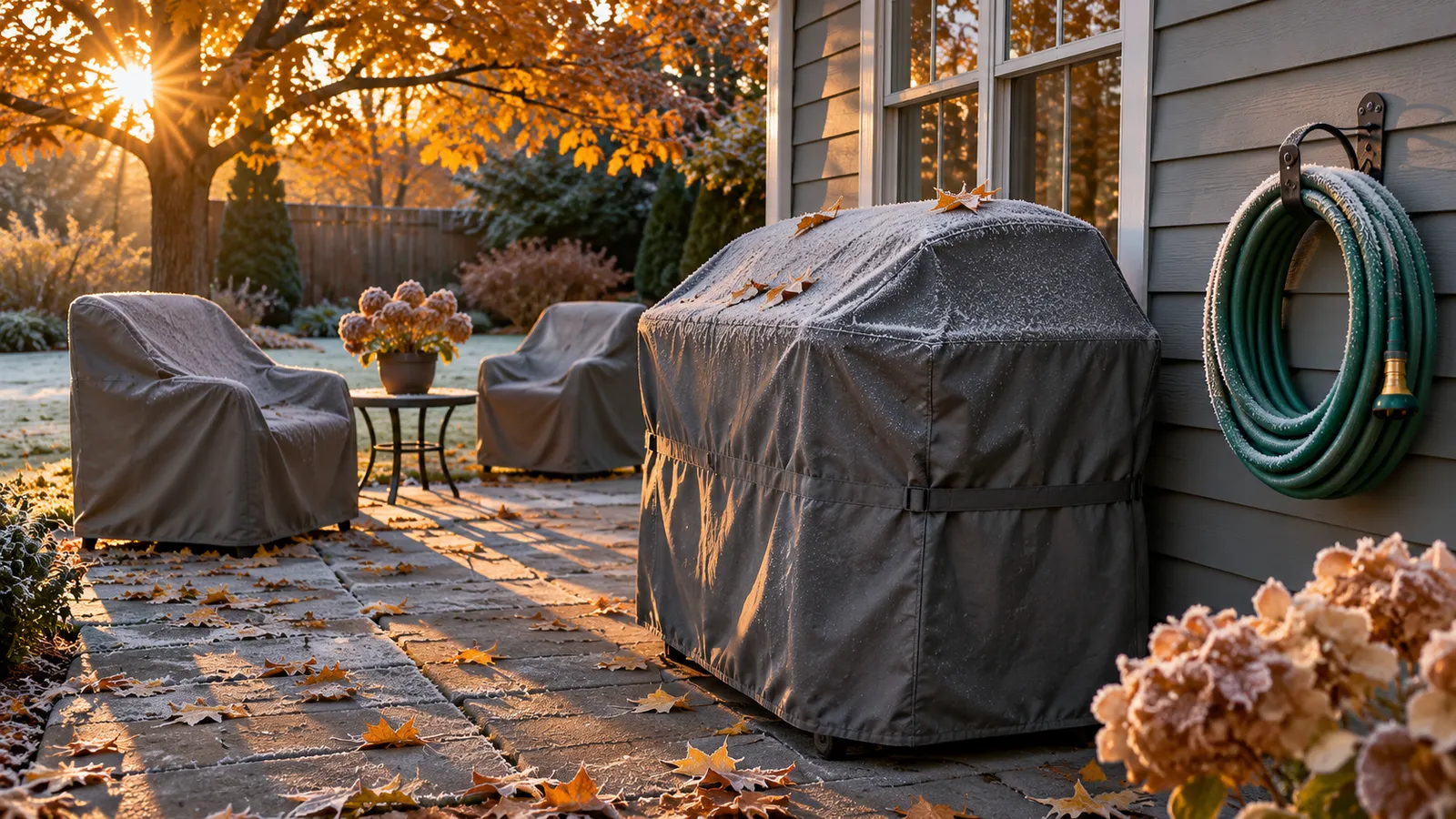
The few hours you spend winterizing in the fall save you from cracked pipes, rusted grills, moldy cushions and a spring full of repairs. Here is the whole job, in the order that matters most.
The short answer
Do the water first (sprinklers, hoses, faucets), then gas and fire (grills, propane, fire features), then soft goods (furniture and cushions), then everything else. Our free seasonal checklist builds a version for exactly the gear you own.
1. Water: before the first hard freeze
- Sprinklers. Shut off the supply and drain or blow out the lines. If you are not sure how, hire an irrigation pro, because compressed air used wrongly can damage the system.
- Hoses. Disconnect, drain and store them. A hose left attached can trap water in the faucet.
- Outdoor faucets. Close any interior shut-off valve and add an insulated faucet cover.
- Rain barrels and fountains. Drain and store or protect them.
2. Grills and propane
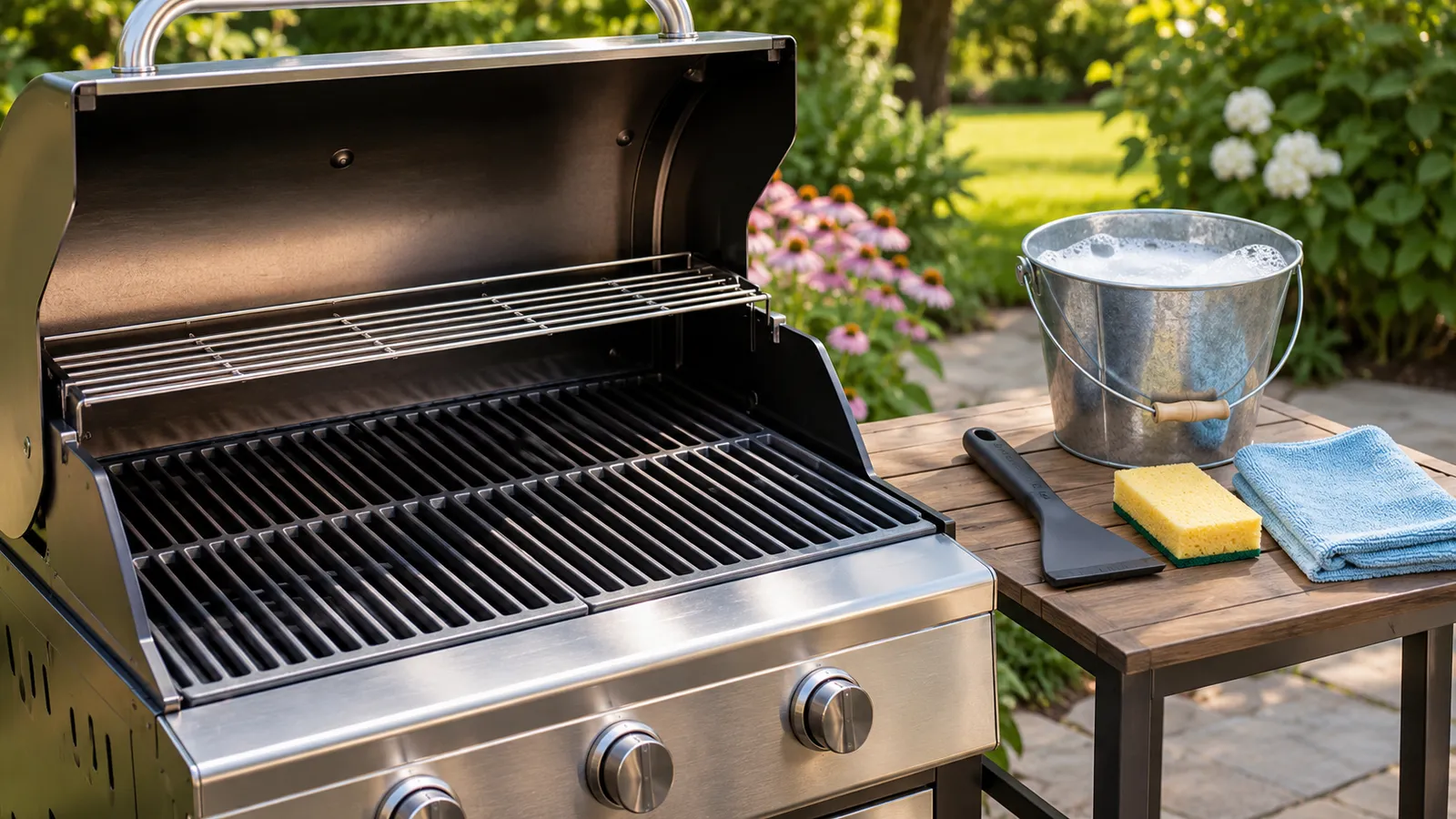
- Clean the grill before storing it. See our guide on how to clean a grill.
- Gas grills. Disconnect the propane cylinder if you will not use the grill. Store it outdoors, upright and away from the house, never in a garage, basement or other enclosed space.
- Pellet grills. Empty and vacuum the hopper before long storage, because damp pellets turn to sawdust and jam the auger.
- Charcoal and kamado. Clean out the ash and keep the cooker dry.
- Griddles. Clean, oil lightly and cover. See our guide on how to season a flat-top griddle.
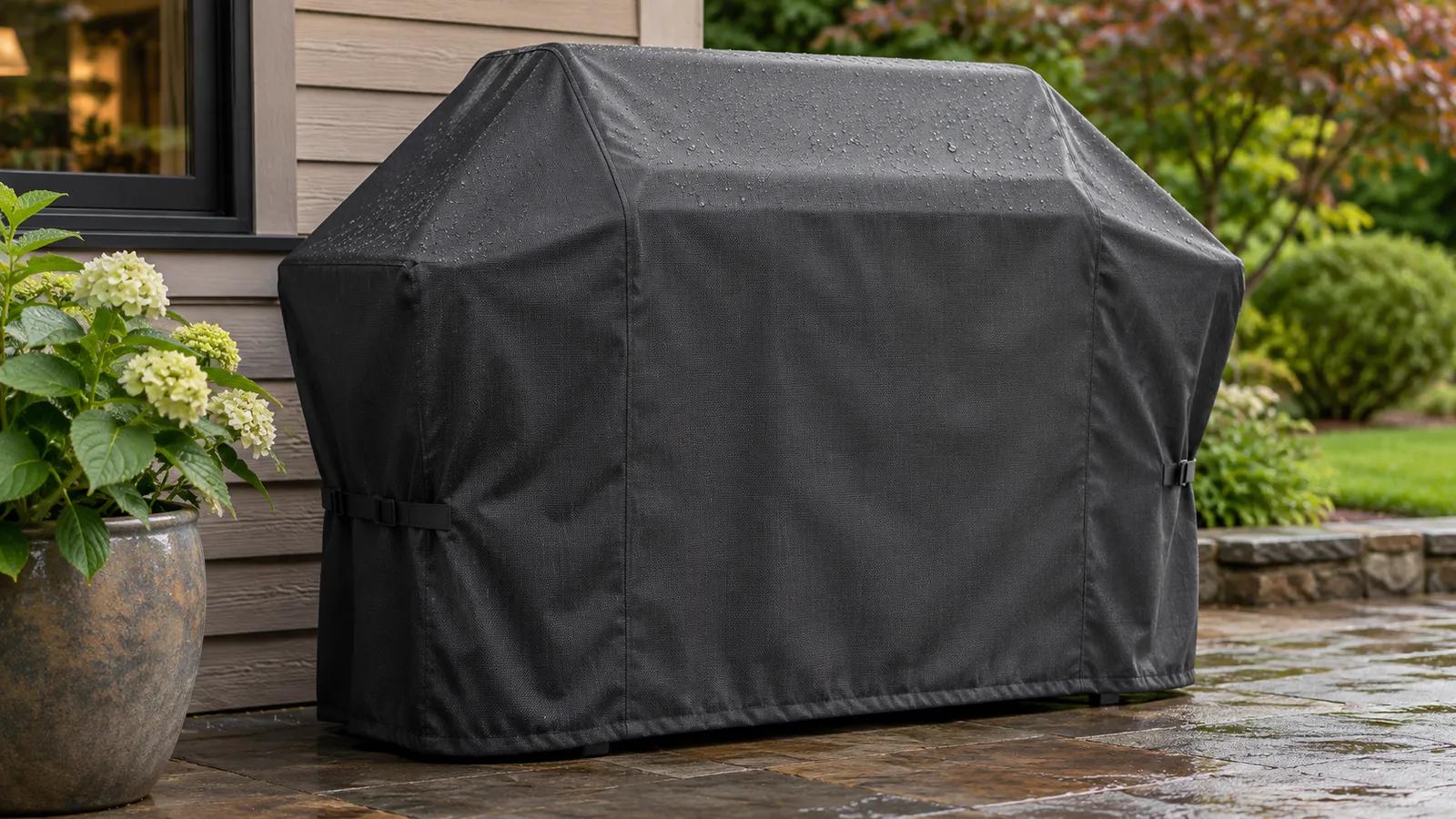
- Cover everything once it has completely cooled. See the best grill covers.
3. Fire features and pizza ovens
- Fire pits. Empty cold ashes into a metal container, cover the pit and store wood off the ground, covered on top with the sides open.
- Propane fire tables and patio heaters. Disconnect and store propane safely, leak test connections in spring, and use them only outdoors in open, ventilated areas.
- Pizza ovens. Let them cool, cover them, and keep removable stones dry. Bring portable ovens inside.
4. Furniture and soft goods
- Clean and fully dry everything before covering it.
- Bring cushions, umbrellas and pillows indoors if you can.
- Use vented covers and secure them against wind.
5. Wellness gear
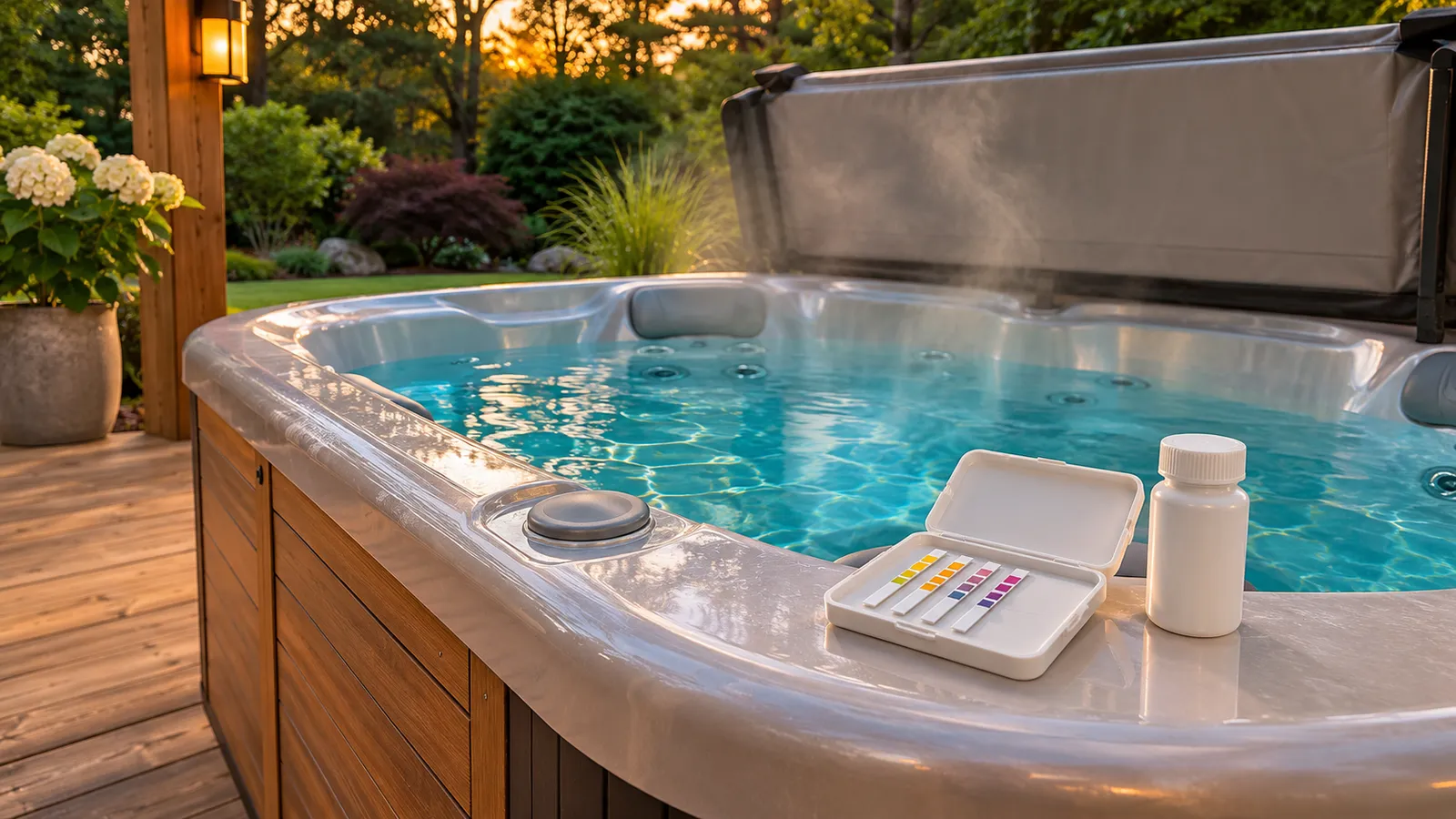
- Hot tubs. Decide whether to run it all winter or drain and winterize it, and follow the maker's instructions. Do not leave a full tub unpowered in freezing weather. See hot tub water problems.
- Saunas and cold plunges. Check the manual for winter use, drain any unit that is not rated for freezing, and keep snow off roofs and covers.
6. Everything else
- Lights. Test strands, replace damaged cords, and plan outlets before you hang holiday lights with our holiday light planner.
- Robot mowers. Clean, charge to the level the maker recommends and store indoors.
- Birds. Keep feeders stocked and add a heated bird bath.
- Tools. Drain gas from small engines or add stabilizer per the manual, and clean and oil hand tools.
Our top picks
A cover for the grill
Classic Accessories universal grill covers
A budget-friendly range of universal covers in many sizes.
A snug, vented cover keeps rain, snow and critters out of the grill. Measure before you order, and only cover a grill once it has completely cooled.
What we like
- Many sizes fit most grills
- Affordable
- Easy to find
Trade-offs
- Universal fit is looser than a model-specific cover
- Measure your grill before you order
- Cheaper fabric can fade over years
- Best for
- Non-Weber grills and budget buyers.
- Skip it if
- You want a precise, tailored fit.
Covers for the furniture
Patio furniture covers
Water-resistant, vented covers that protect furniture through the winter.
Water-resistant, vented covers protect frames and cushions through winter. Cheap covers rip or trap moisture, so choose vented ones and secure them against wind.
What we like
- Protect against rain, snow and UV
- Vents reduce moisture build-up
- Many sizes for sets and sectionals
Trade-offs
- Cheap covers rip or trap condensation
- Measure your set before buying
- Covers need securing against wind
- Best for
- Anyone leaving furniture outside over winter.
- Skip it if
- You have a garage for storage.
Extra protection for outdoor faucets
Insulated outdoor faucet covers
A cheap cover for outdoor spigots in cold weather.
An insulated cover is a cheap extra layer on outdoor spigots. It is not a substitute for disconnecting and draining hoses first.
What we like
- Very cheap
- Easy to fit
- Adds protection on frosty nights
Trade-offs
- Not a substitute for disconnecting and draining hoses
- Does not protect during a long hard freeze on its own
- Check that it fits your spigot
- Best for
- Extra protection on outdoor faucets.
- Skip it if
- You have frost-free spigots and no cold snaps.
When to call a pro
If you smell gas, see damaged wiring, or the job involves a gas line, a sprinkler blowout you are unsure about, or hot tub electrics, stop and call the maker, a licensed technician or your utility.
Frequently asked questions
When should I winterize my yard?
Start in early fall and finish before the first hard freeze in your area. Sprinkler systems and outdoor faucets are the most urgent, because water left in pipes can freeze and crack them.
Do I need to cover my grill in winter?
Yes, a snug, breathable cover keeps rain, snow and pests out and helps a grill last longer. Clean it first, let it cool completely, and store any propane cylinder outdoors and upright, never indoors or in a garage.
Should I drain my hot tub for winter?
It depends on your climate and your maker's instructions. Many people run a well-insulated tub all winter, while others drain and winterize it. Never leave a full tub unpowered in freezing weather, and follow the manual.
How do I winterize outdoor faucets?
Disconnect and drain hoses, store them, and shut off the interior supply to the faucet if you have a shut-off valve. Insulated faucet covers add protection, and frost-free spigots still need the hose disconnected.
Alex Mercer brings 15 years of experience and a practical editorial approach to Backyard Review. Alex compares published product information, installation needs and ownership costs, highlighting trade-offs and distinguishing research from documented hands-on experience.